Is There A Minimum Age Or Fitness Level For A Humpback Whale Swim Tour?
No operator in Coral Bay publishes a minimum age or fitness standard for the humpback whale swim. Here is what is stated, what is not, and what to ask before you book.
Short answer
No Coral Bay operator publishes a minimum age or a fitness requirement for the humpback whale swim. The trip is 8 hours long, from US$505 per person, with 7 swimmers per 2 crew in the water and no cameras allowed, a format built around competent snorkelling in deep open water. Coral Bay Ecotours prices children aged 5 to 15 on other trips but excludes the in-water swims from that family pricing, the closest thing to an age signal in print. Eligibility is assessed individually at booking, so ask the operator directly before reserving.
No Coral Bay operator publishes a minimum age or a formal fitness standard for the humpback whale swim. That is not a gap in this article's research; it is the state of the listings themselves. The booking pages for the swim carry duration, price, inclusions and cancellation terms, and they do not carry an age floor or a fitness requirement. The honest answer to the eligibility question is therefore: not stated, ask the operator, and there is a short list of things worth asking about.
Quick Facts
| Fact | Detail |
|---|---|
| Minimum age for the swim | Not stated |
| Fitness requirement | Not stated |
| Day length | 8 hours |
| Price | From US$505 per person |
| Group maximum | 14 |
| In-water format | 7 swimmers with 2 crew |
| Cameras in water | Not permitted |
| Season | End of June to mid October (Ecotours); July to October (booking pages) |
| Child pricing | 5 to 15 priced as children, under 5 free, except on the swims |
| No-interaction refund | Interaction price refunded to a wildlife swimmer price |
No operator running the Coral Bay humpback swim publishes a minimum age or a stated fitness requirement for it. The roster for the Swim With Humpback Whales trip lists min age as not stated, and the same goes for fitness. The trip does publish other facts: 8 hours on the water, from US$505 per person, a group maximum of 14, a wetsuit, a buffet lunch and a 5.0 rating from 87 reviews. Eligibility is settled between swimmer and operator rather than printed on a page, which is why the booking conversation matters more here than on almost any other Ningaloo tour.
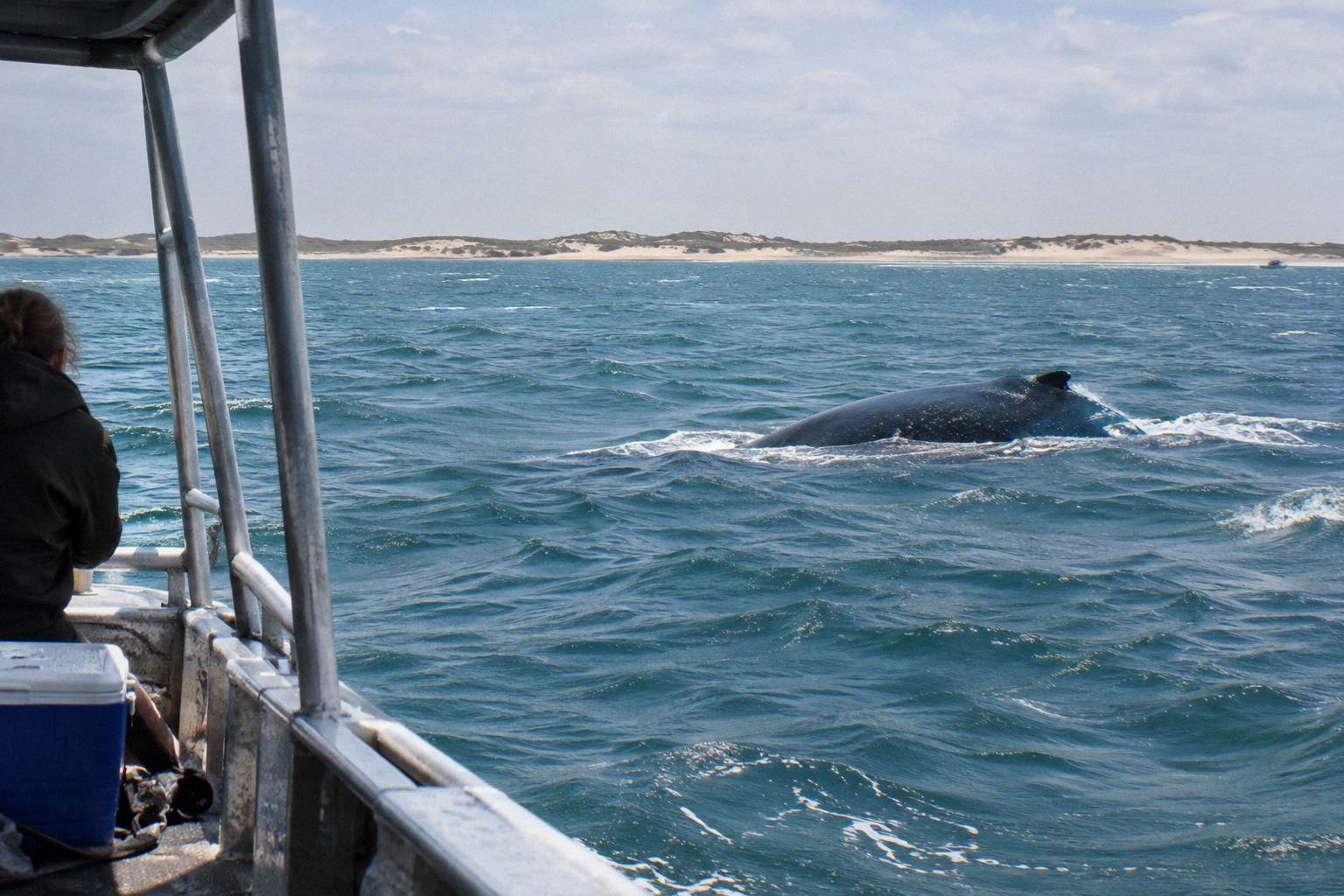
The question is worth asking carefully, because the humpback swim is a different kind of day from the manta trips most Coral Bay visitors compare it against. Mantas are year-round residents, worked close to the reef in water that is often calm. The humpback swim happens in the whale migration season, which Coral Bay Ecotours puts at the end of June through to mid October and the booking pages state as July to October, and it happens wherever the whales are. Coral Bay Ecotours' own figure is that about 30,000 whales pass Ningaloo in a season, and the tour goes out to meet them on their terms.
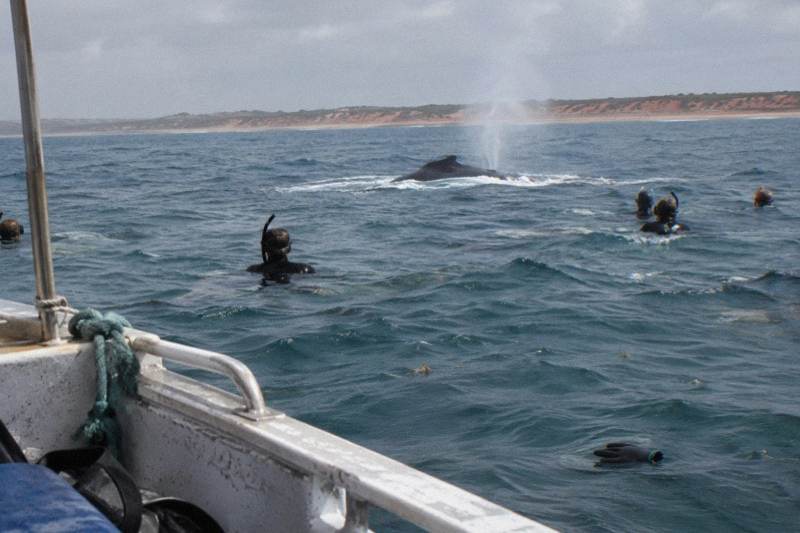
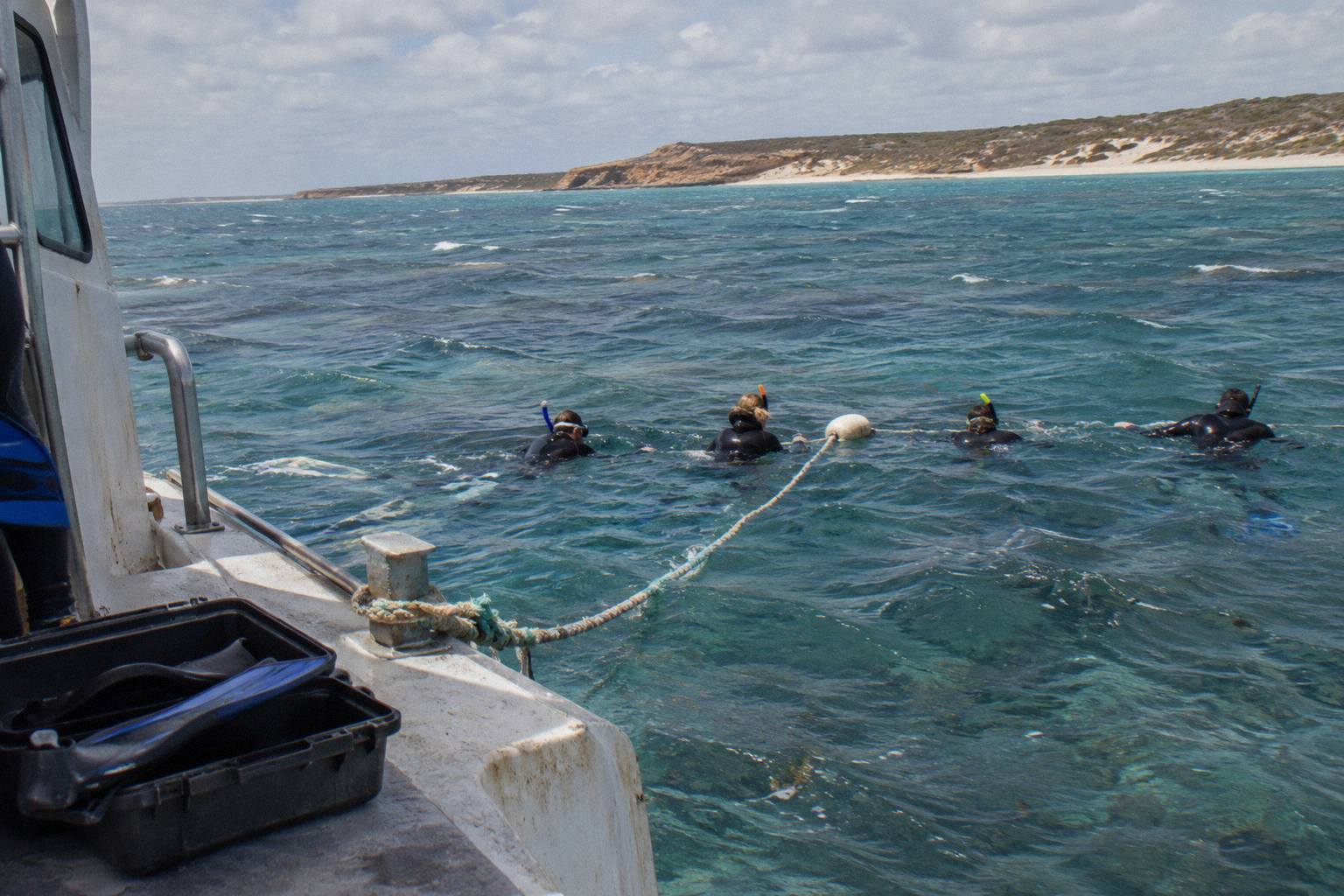
Two facts about the swim format do bear directly on fitness and are printed. Coral Bay Ecotours states groups of 7 swimmers with 2 crew in the water, and no cameras in the water. Seven swimmers per group is a small ratio, which is a real comfort factor for a nervous swimmer: the people watching you are close, not distant. The no-camera rule also removes one load, since you are not wrangling a device while swimming in the swell. Neither of those is a fitness rule, but both shape what the day physically asks of you.
What the regulation layer says is separate from operator policy. The Department of Biodiversity, Conservation and Attractions is explicit that only licensed operators may run in-water humpback swims, and that people not part of a licensed interaction must not enter the water within 100 m of a whale. There is no DBCA minimum age or fitness rule for swimmers beyond that licensing frame; the department regulates who may run the tour, not who may join it. The eligibility question lands squarely on the operator's briefing and booking desk.
The selection above spans three different commitments. The humpback swim is the in-water interaction this article is about, the whale cruise is a stay-above-water alternative, and the whale shark safari is a comparable-length full day in the water with a different species. If eligibility is the reason you are reading, the cruise in that band is the honest fallback for anyone in your group who swims reluctantly.
What The Humpback Swim Physically Asks Of You
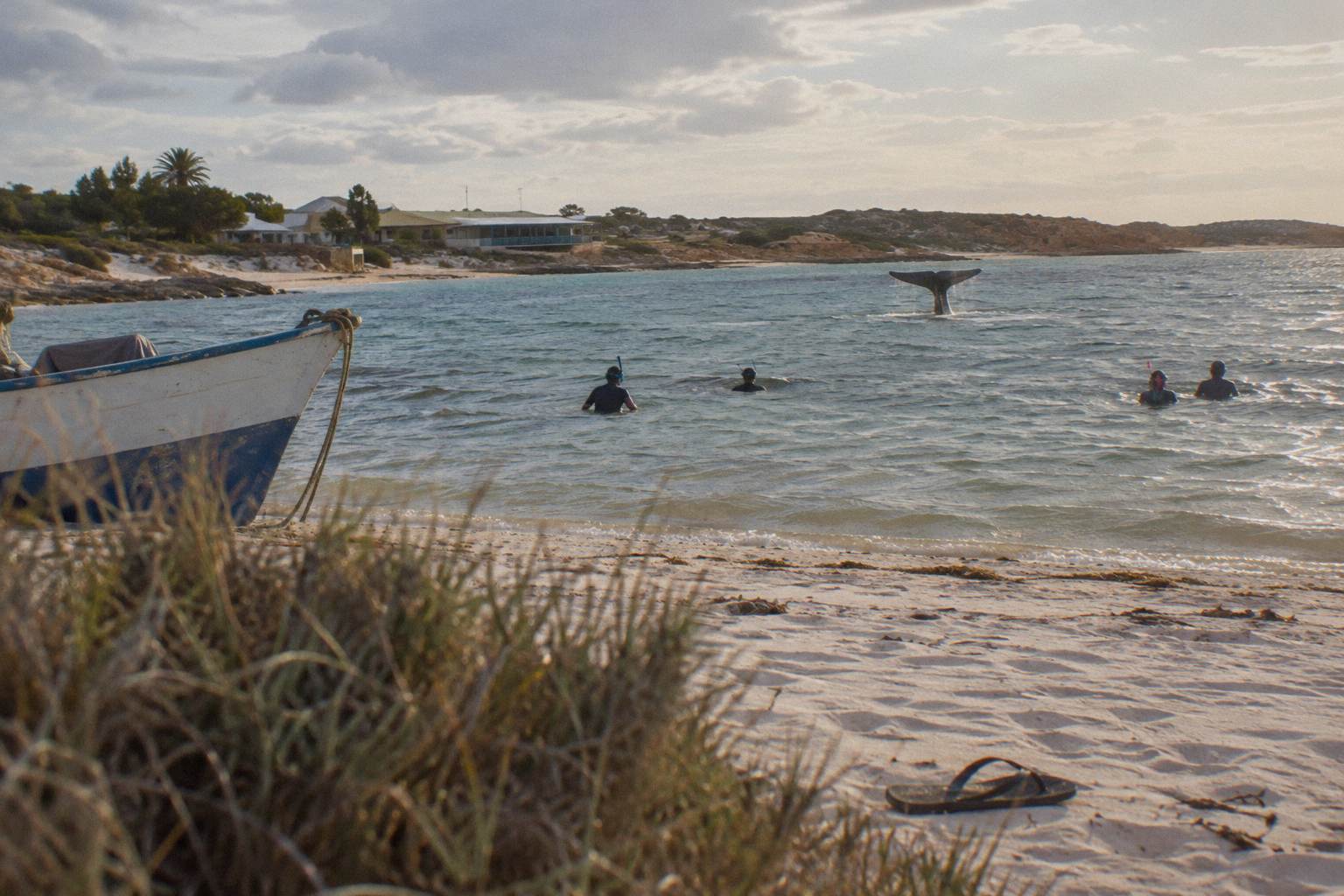
The day is 8 hours long, the entry is from a boat into open water, and the swim itself is done in a wetsuit in whatever swell the season serves up. No operator states a required swimming speed or distance, but the format, 7 swimmers with 2 crew in the water and no camera, is built around people who can snorkel competently in water too deep to stand in. If that sentence describes you comfortably, the day is realistic; if it does not, the questions below are the ones to ask.
The distinction that matters is between a swim that is hard and a swim that requires technical skill. Snorkelling beside a moving whale is not technically difficult, no freediving certification is needed and no prior tour experience is required by anything printed, but it is sustained swimming in the open ocean, sometimes against a current, sometimes in chop. Our article on freediving on a manta ray tour covers the skill question on the manta side and the same logic applies here: the gap between comfortable surface snorkelling and struggling is the one that decides the day.
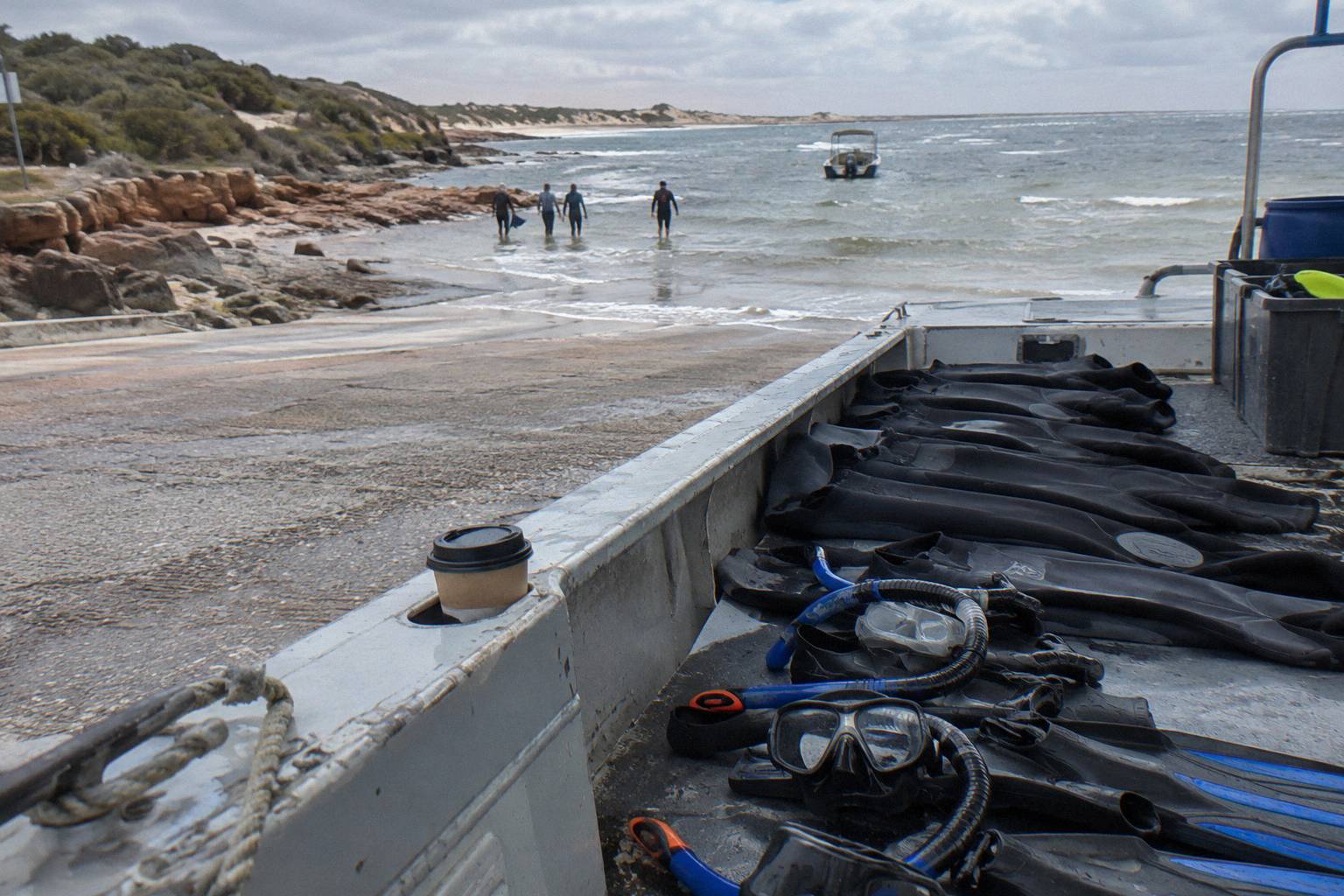
Wetsuits help, in a way that is often underestimated by first-timers. A wetsuit is buoyant; you float higher and tire slower in one than you would in a swimsuit, and every humpback swim trip on this roster includes one. The swim listing includes a wetsuit, morning and afternoon tea, a buffet lunch, a fruit platter, a glass of champagne and tour photos, which tells you the day is paced with rest and food built in rather than a continuous grind. Still, eight hours on a boat is eight hours on a boat, and seasickness on Coral Bay boat tours is a genuine consideration for the surface part of the day even for strong swimmers.
No operator on this roster states a fitness requirement for the humpback swim specifically. Some Ningaloo trips do carry swimmer language: the Ningaloo Mantas And More Full Day and Whale Shark Odyssey listings describe their trips as suited to competent swimmers, and Coral Bay Ecotours describes its manta safari as recommended for experienced swimmers. The humpback swim carries no such printed line, which cuts both ways: it is not restricted to experienced swimmers on paper, and it is not cleared for everyone on paper either.
| Stated element | Swim With Humpback Whales | Where it comes from |
|---|---|---|
| Minimum age | Not stated | Booking page carries no age line |
| Fitness requirement | Not stated | No operator-published standard |
| Group size in water | 7 swimmers with 2 crew | Coral Bay Ecotours terms |
| Cameras in water | Not permitted | Coral Bay Ecotours terms |
| Day length | 8 hours | Booking page |
| Group maximum | 14 | Booking page |
| Wetsuit | Included | Booking page |
| Season | End of June to mid October (Ecotours); July to October (booking pages) | Operator and listings |
That box links to the live listing rather than quoting eligibility, which is deliberate. The listing is where an age or fitness answer, if one exists operationally, will be given. Free cancellation up to 24 hours applies on the booking page, which means the eligibility conversation can happen after booking and still leave an exit, though the operator's own cancellation schedule is separate and stricter once a booking is confirmed.
Child Ages And Family Bookings On The Swim
Coral Bay Ecotours' published terms set the child age bracket at 5 to 15, with passengers in that range priced as children and under-5s carried free. For families planning the in-water experiences, one exception matters: the free-under-5 rule does not apply to the manta, whale shark or humpback swims. The terms carve the big in-water swims out of the family pricing that covers the operator's other trips, which is the closest thing to an age signal anywhere in print. It is not a minimum age, and it should not be read as one, but it tells you plainly that the operator treats the humpback swim as a different category of trip from its glass-bottom and turtle days, and that age eligibility for it is assessed some other way.
That structure answers the family question more honestly than a bare number would. The published child pricing is a 5-to-15 band, so a 12-year-old is priced as a child on the trips where child pricing applies, but the terms do not state that a 12-year-old may join the humpback swim. The workable reading, and the one to confirm with the operator, is that eligibility for the swim is assessed individually at booking rather than by a published age gate. Ask directly: can a strong-swimming 12-year-old join, and what does the operator want to know about them first?
The broader family context is on our kids on a manta ray snorkel tour piece, and the same caution transfers. For families with a mixed range of ages and swimming confidence, the honest structure is often a split day: swimmers take the humpback trip while others take a shorter, drier option from the same departure point on Robinson Street. Coral Bay Ecotours runs six trips from that address, so the split-day logistics are genuinely easy.
The alternatives that suit non-swimmers and younger children are real and cheap. The Glass-Bottom Boat, One Hour runs from US$54 per person with a professional guide aboard, one hour on the water, no swimming and no minimum age printed. The Two-Hour Coral Viewing And Snorkelling trip, from US$81 per person and rated 4.8 from 105 reviews, adds an optional snorkel in calmer circumstances. Neither is a whale swim, and in humpback season the glass-bottom boat can pass over reef rather than whales, so frame these as reef experiences rather than whale substitutes.
How Fit Is Fit Enough, And What To Ask The Operator
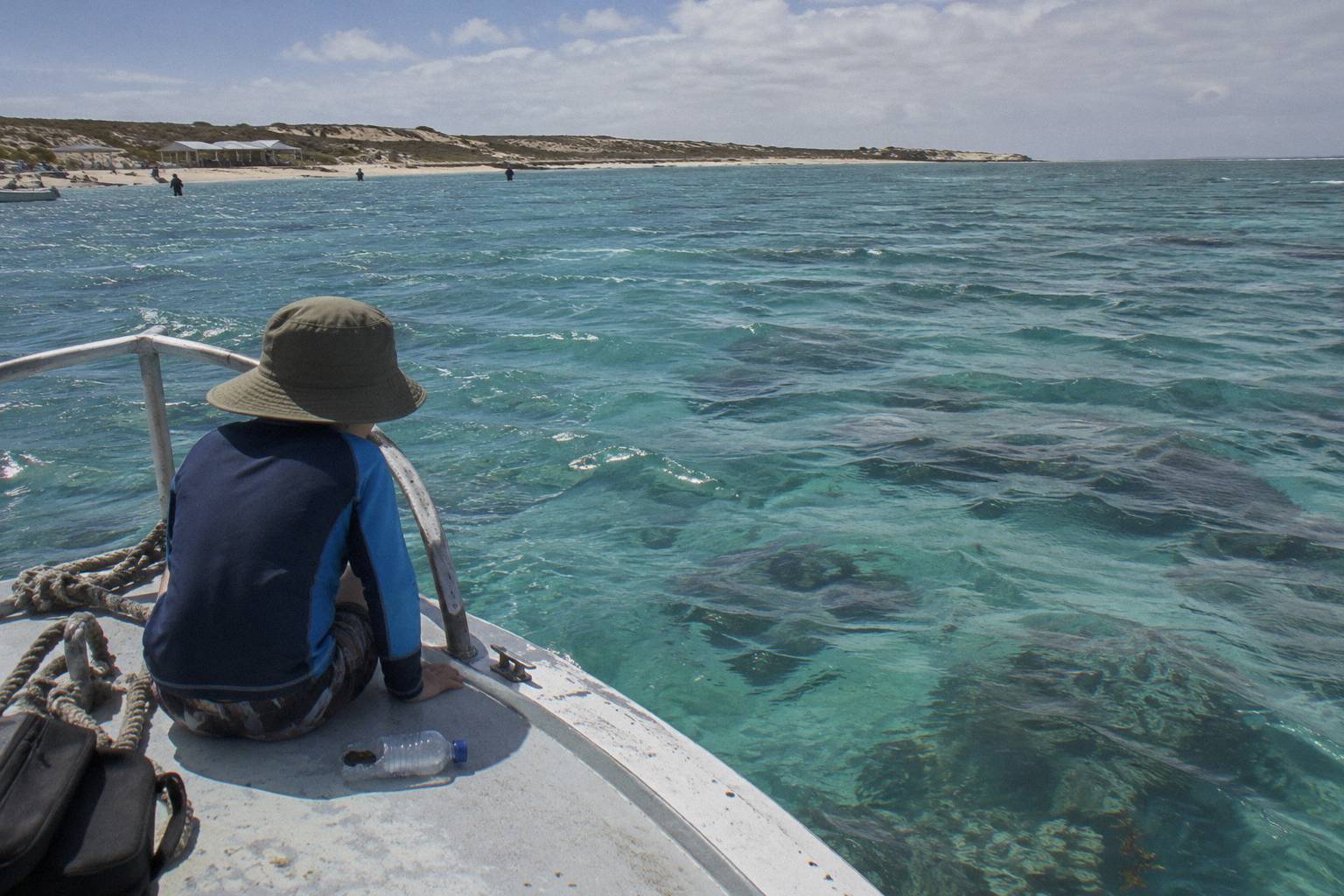
A usable rule of thumb, offered as planning advice rather than an operator standard: if you can snorkel for 20 to 30 minutes in water too deep to stand in, without panic and without needing to hold onto anything, you are in the conversation for a humpback swim. Below that, the question is not fitness in the athletic sense but water confidence, and water confidence has fallbacks, from flotation aids to staying on the boat, that only the operator can confirm on the day.
The questions worth asking at booking are short and specific. First: what swimming ability do you expect, and how is it assessed? Second: are flotation aids available for the in-water session, and is using one permitted during a whale interaction? Third: can a participant opt out of the water portion on the day, and what does that mean for the price paid? Fourth: what is your policy on medical conditions, and which ones do you ask about? None of these has a printed answer for the humpback swim, so asking them is not being difficult; it is doing the eligibility work the listing leaves to you.
The medical conversation deserves its own care, and this article deliberately makes no medical claims. A reasonable general approach is to check with your doctor about any heart, respiratory, ear or pregnancy-related consideration before booking any long open-water swim, and to tell the operator when you book rather than on the dock. The regulator's framing supports this: the DBCA page on swimming with humpback whales in Western Australia governs licensed commercial swims, and the operator's briefing is where individual suitability is handled.
There is also a jurisdictional limit worth knowing because it shapes the swim area. In-water humpback interactions are not permitted in the Commonwealth waters of Ningaloo Marine Park, so licensed swims stay inside State waters. For the swimmer this is invisible, it just defines the patch of ocean the boat works, but it is one of those facts that is absent from first-page search results and explains why the tours operate where they do.
What Happens If You Cannot Get In The Water
If there is no in-water interaction on your tour, Coral Bay Ecotours' published terms provide a partial refund rather than a full one: the price is refunded from the interaction price down to a wildlife swimmer price, meaning you receive the difference between those two rates instead of the full amount you originally paid. That is a specific, printed mechanism rather than a vague goodwill gesture, and it matters for the marginal swimmer because it caps the financial downside of a day where the water part does not happen, whether because of whales, weather or the swimmer's own decision on the day.
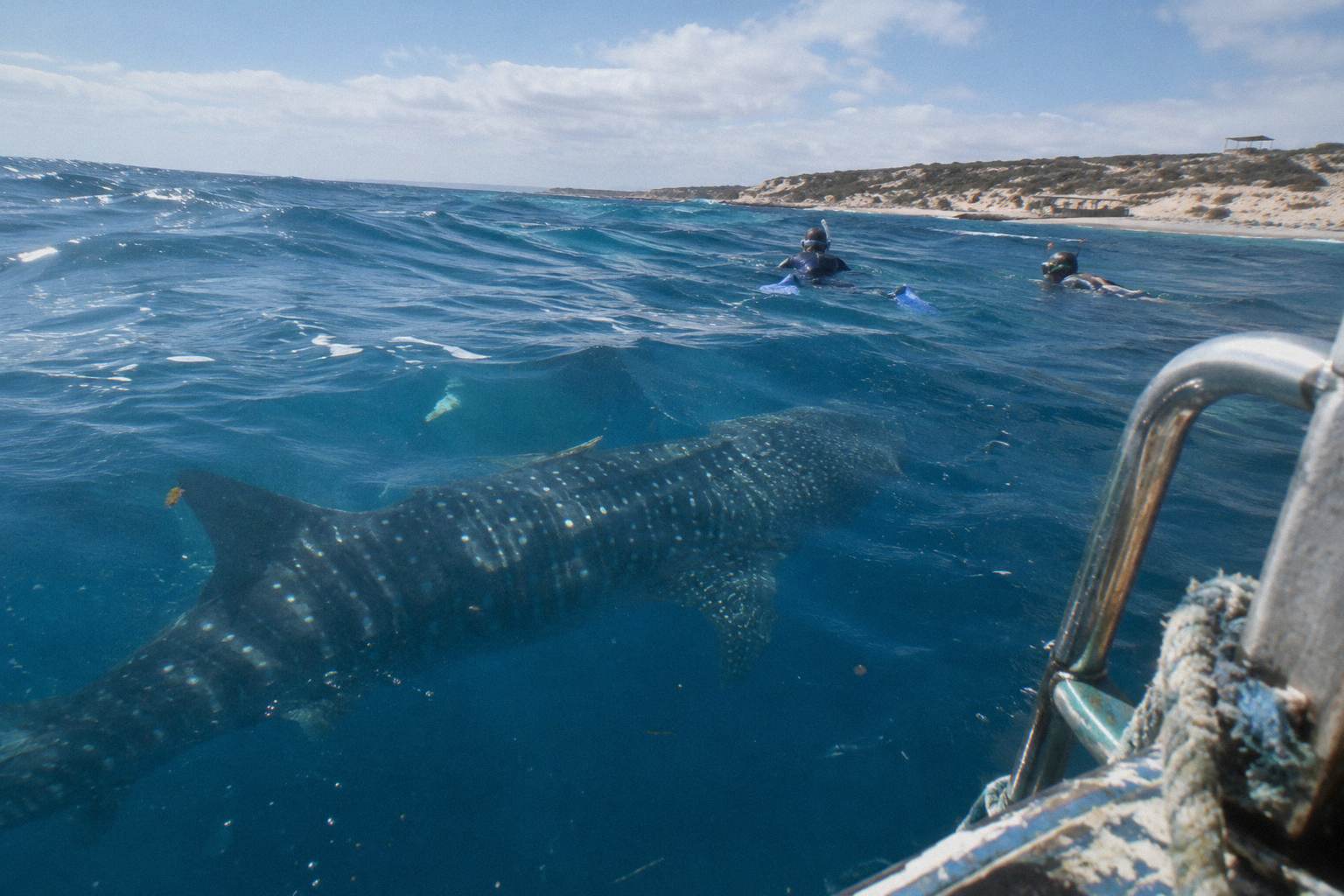
The same terms are blunt about wildlife more generally: the operator does not guarantee wildlife sightings or interactions on any tour at any time. About 30,000 whales pass Ningaloo per the operator's own season figure, so the odds of seeing whales from the boat are strong, but seeing is not swimming, and swimming is not guaranteed. Our longer treatment of the pattern is in what happens with no sighting on a manta tour, and the whale shark side of it, where Ecotours offers no non-sighting repeat vouchers or refunds on that specific tour, shows how differently operators can draw these lines.
For someone whose eligibility worry is "what if I get out there and cannot do it", the refund structure is the practical answer. Ask the operator at booking to confirm how a mid-tour decision to stay aboard is treated, because the printed terms cover the no-interaction refund and do not spell out every in-between case. Bring the question early, in writing, and the answer becomes part of your booking record rather than a dockside negotiation.
Alternatives If The Swim Is Not The Right Fit
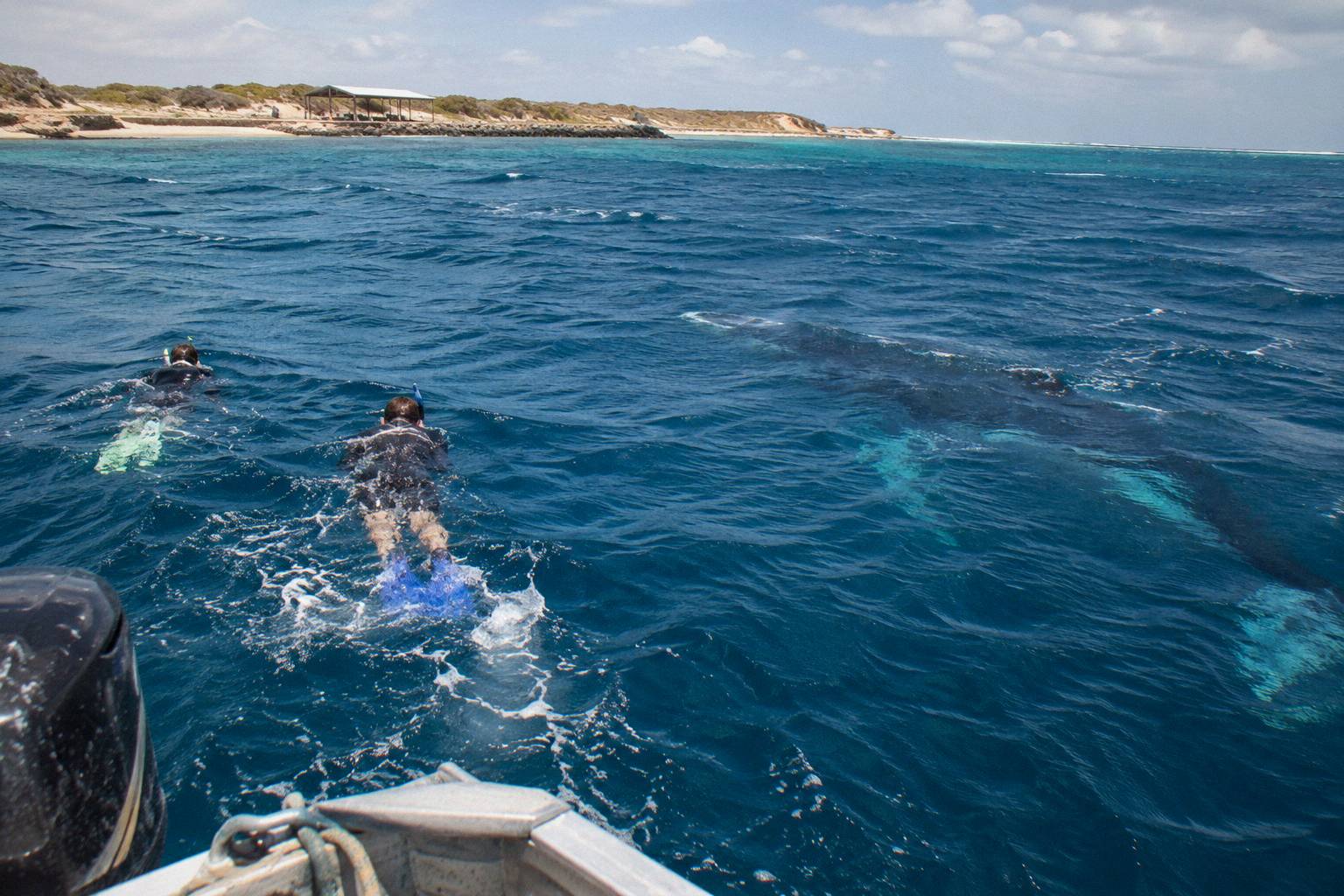
If the in-water swim does not fit your group's ages or confidence, the whale-season alternatives from Coral Bay are a whale-watching cruise, a glass-bottom boat, a reef snorkel trip, or watching from shore at Bill's Bay and Paradise Beach, where you can swim and snorkel straight off the sand in sheltered water. None carries the interaction, but two of them put you on the water with whales in season without asking you to swim beside one.
The Explore Ningaloo Snorkel And Whale Cruise is the closest substitute: a 2 to 2.5 hour small-group vessel cruise that follows the humpback migration, with experienced local crew, more time with whales as its stated focus and no in-water whale component at all. Duration is its main argument, since 2 to 2.5 hours against the swim's 8 hours makes it the right size for families with young children, older travellers or anyone whose sea legs are uncertain. Its price and reviews are on the booking page, and free cancellation up to 24 hours applies there too.
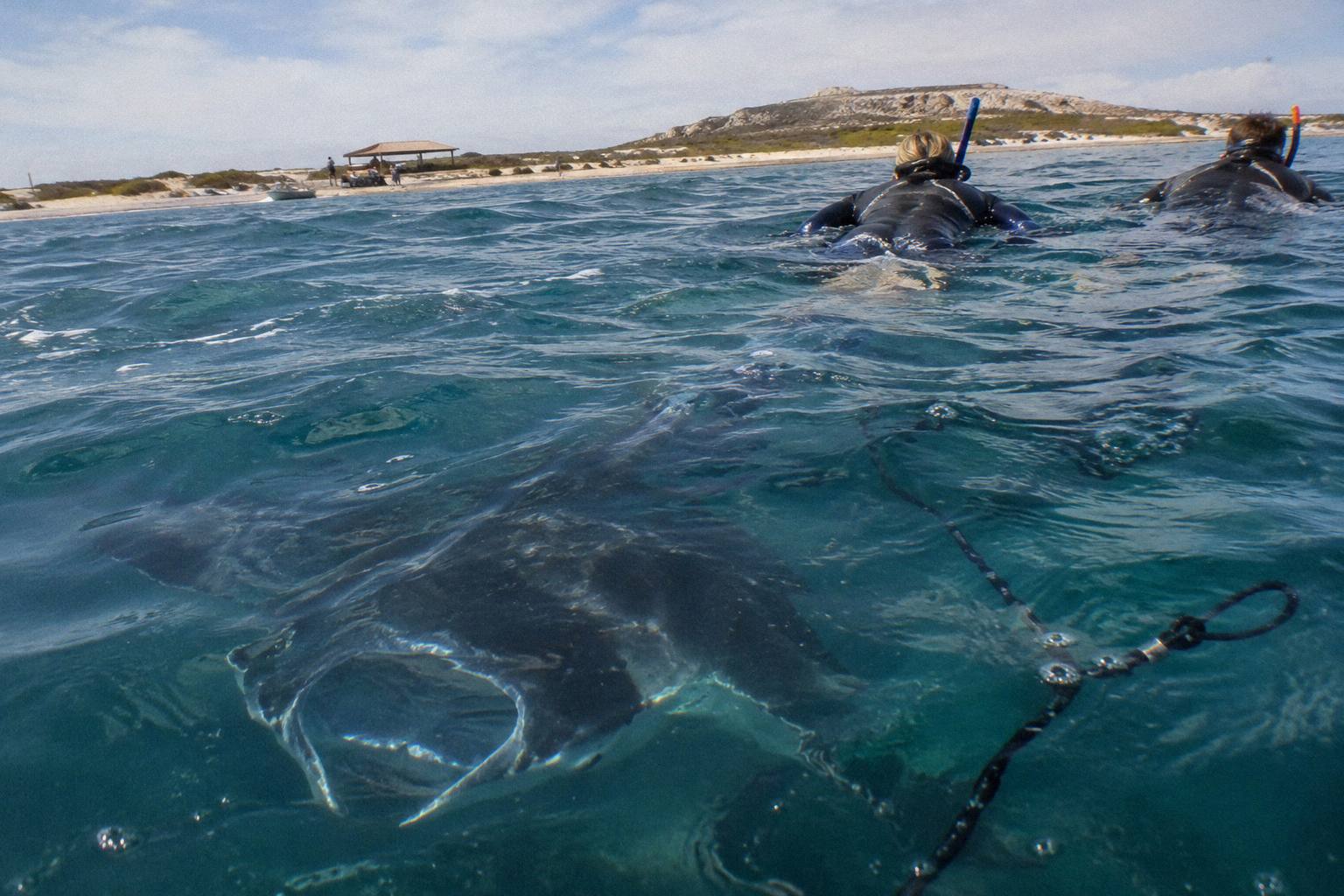
Below the whale cruise sit the reef options, which run year-round rather than seasonally. The Three-Hour Turtle Ecotour, from US$108 per person and rated 4.8 from 169 reviews, boards from the beach through shallow water, and the glass-bottom boat covered earlier is the one-hour minimum-commitment choice. The choice between staying dry and getting wet is worked through in glass-bottom boat versus a snorkel tour, and the seasonal dimension, what runs in which month, is mapped in Coral Bay tours month by month.
One more planning note for the eligible-but-cautious: the town itself is forgiving. Coral Bay is the gateway to the southern part of Ningaloo Marine Park, sits at the heart of the Ningaloo Coast World Heritage Area, and per the DBCA Coral Bay page you can swim and snorkel straight from shore in the sheltered waters of Bill's Bay and Paradise Beach. A non-swimming family member is not stranded; they are on a sheltered beach while the swimmers are out. This is the kind of context Coral Bay Manta Ray Tours exists to make plain before you book anything.
A Booking Checklist For Age And Fitness Questions
Before paying for a humpback swim, ask five questions of the operator: the age policy for the swim, the expected swimming ability, whether flotation is permitted, the medical conditions they ask about, and the refund path if the in-water interaction does not happen. Every one of these has either a printed partial answer or no printed answer for the Coral Bay swim, so the checklist turns a silent listing into a settled booking.
| Question to ask | What is printed today | Where the printed part sits |
|---|---|---|
| Is there a minimum age? | Not stated for the swim; under-5s free except on the swims | Operator terms |
| What swimming ability is expected? | Not stated for the humpback swim; competent-swimmer wording exists on other Ningaloo trips | Various listings |
| Are flotation aids allowed? | Not stated; wetsuit included | Booking page |
| Medical conditions to declare? | Not stated; check with your doctor and tell the operator | Our planning advice |
| Refund if no in-water interaction? | Interaction price refunded to a wildlife swimmer price | Coral Bay Ecotours terms |
| Cancellation window | Free cancellation up to 24 hours on the booking page | Booking page |
The pattern across the whole Coral Bay roster is consistent and worth naming: the longer, bigger in-water trips publish durations, inclusions and group caps in detail, and leave age and fitness to the booking conversation, while the short reef trips publish almost nothing about eligibility because almost none is needed. The humpback swim sits at the demanding end of that spectrum, an 8-hour day with a 7-swimmer in-water format, and it earns the extra questions. Ask them, write down the answers, and the eligibility question this article opened with is resolved in the only place it can be: with the operator who will actually put you in the water.
Mistakes People Make When Booking A Humpback Swim
The biggest mistakes are assuming a minimum age exists and assuming one does not. No Coral Bay operator publishes an age floor or fitness standard for the humpback swim, so eligibility is settled at booking, not on the listing. People also assume the printed inclusions tell the whole story, overlook the refund rules, and forget that the day runs 8 hours with a 7-swimmer in-water format. Each of those assumptions costs money or comfort if left unchecked.
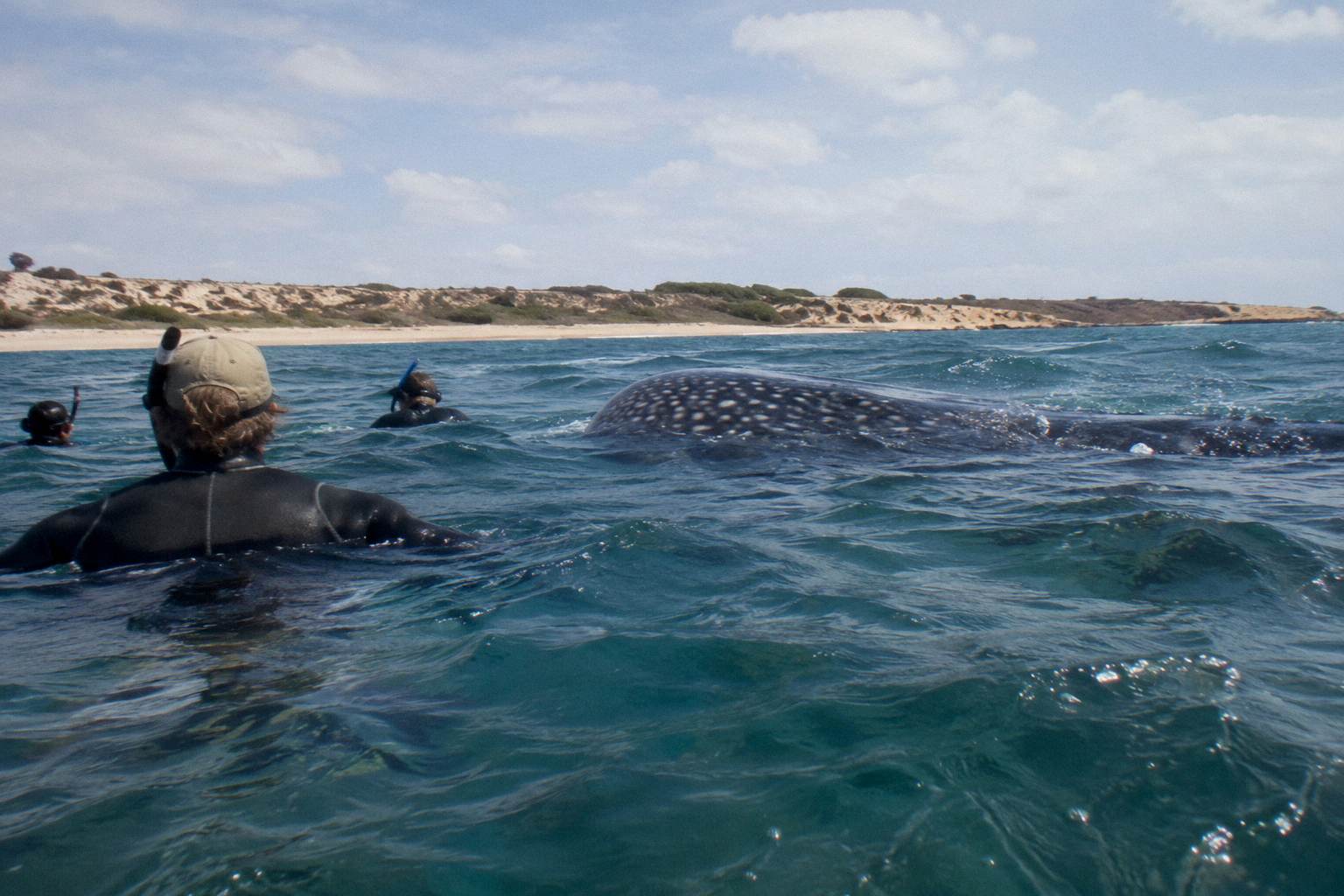
The first mistake is treating the missing age line as permission. The listing for the Swim With Humpback Whales trip carries duration, price, inclusions and cancellation terms, but no age floor and no fitness requirement. That silence cuts both ways: the swim is not restricted to experienced swimmers on paper, and it is not cleared for everyone either. Coral Bay Ecotours' terms do carve the manta, whale shark and humpback swims out of the free-under-5 rule that applies to its other trips, which is the closest thing to an age signal in print, but it is not a minimum age. Confirm children individually before you pay.
The second is underestimating the day. Eight hours on a boat is a long commitment even before anyone enters the water. The swim happens wherever the whales are during the migration season, not on a calm reef, and the format is built around people who can snorkel competently in water too deep to stand in. A wetsuit is included on every trip, morning and afternoon tea, a buffet lunch, a fruit platter and tour photos are part of the day, but rest stops do not change the fact that the in-water portion is sustained swimming in the open ocean. The no-camera rule removes one load; it does not remove the swim.
A third mistake is skipping the medical and flotation questions. Nothing printed says which conditions must be declared or whether flotation aids are permitted during a whale interaction, so both belong on your list for the operator, ideally in writing at booking time. Free cancellation up to 24 hours applies on the booking page, which means you can have the eligibility conversation after booking and still keep an exit, though the operator's own cancellation schedule is stricter once a booking is confirmed.
Finally, people assume a refund covers them fully. When there is no in-water interaction, the terms refund the price from the interaction price down to a wildlife swimmer price, a partial refund, not a full one. And no operator guarantees wildlife sightings or interactions on any tour at any time, even with roughly 30,000 whales passing Ningaloo in a season. Ask the five booking questions early: age policy, expected swimming ability, flotation, medical declarations, and the refund path.
Common Questions About Humpback Swim Age And Fitness
Is There A Minimum Age Or Fitness Level For A Humpback Whale Swim Tour?
No Coral Bay operator publishes a minimum age or fitness level for the humpback swim. The listing carries duration, price, group size and inclusions but no age floor or fitness standard. Coral Bay Ecotours' terms price children 5 to 15 as children, free under 5, except on the manta, whale shark and humpback swims. Ask the operator directly when booking.
Can Children Join The Swim With Humpback Whales Tour In Coral Bay?
The booking page does not state a minimum age. The operator's terms carve the humpback swim out of its free-under-5 pricing, which signals it is treated differently from family reef trips, but no age gate is printed. Confirm with the operator whether a strong-swimming child can join before booking.
How Good A Swimmer Do You Need To Be?
No standard is published. As planning advice, comfortable snorkelling in water too deep to stand in for 20 to 30 minutes is a reasonable benchmark. The stated in-water format, 7 swimmers with 2 crew and no cameras, is built for competent surface snorkellers. Ask the operator about flotation aids if you are unsure.
What If You Cannot Get In The Water On The Day?
Coral Bay Ecotours' terms state that when there is no in-water interaction, the price is refunded from the interaction price to a wildlife swimmer price. The operator does not guarantee wildlife sightings or interactions on any tour. Confirm at booking how a personal decision to stay aboard is treated.
Is There An Alternative If The Swim Does Not Suit Your Group?
Yes. The Explore Ningaloo Snorkel And Whale Cruise runs 2 to 2.5 hours following the humpback migration with no in-water whale component, and the Glass-Bottom Boat, One Hour runs from US$54 per person. Shore snorkelling at Bill's Bay and Paradise Beach is also free and sheltered.
Should You Check With A Doctor Before Booking?
This article makes no medical claims, but the general planning advice is sound: check with your doctor about any heart, respiratory, ear or pregnancy-related consideration before a long open-water swim, and tell the operator when you book rather than on the day. The operator's briefing is where individual suitability is handled.