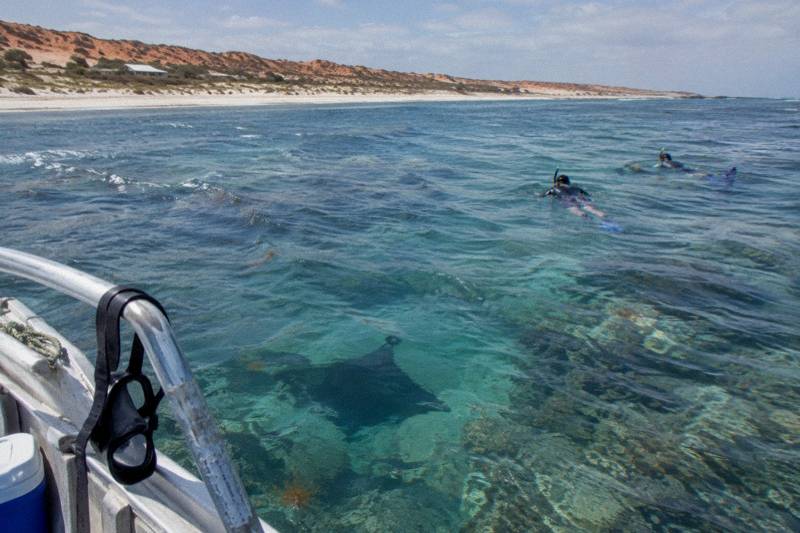
What Is The Water Temperature For Snorkel Tours In March And April?
No verified sea temperature exists for Coral Bay, but March and April sit between the February and July air means, and wetsuit inclusions differ by tour. Here is what to ask before booking.
Short answer
There is no verified sea temperature figure for Coral Bay in March or April, because the town has no Bureau of Meteorology station and no official source publishes a sea reading for it. The nearest stations, Carnarvon Post Office and Learmonth Airport, measure air temperature only. What can be said is that March and April fall in the shoulder between the hot end of summer and the cooler middle of the year. Any precise water temperature quoted for Coral Bay in those months is an estimate, not a measurement.
Quick Facts
| Fact | Detail |
|---|---|
| Verified sea temperature for Coral Bay | None, no Bureau of Meteorology station in the town |
| Nearest BOM stations | Carnarvon Post Office and Learmonth Airport, air temperature only |
| March and April position | Shoulder season between summer heat and cooler mid-year |
| Wetsuits on full-day manta tours | Included on all three full-day manta trips |
| Wetsuits on short Ecotours trips | Not provided, operator states this for the turtle tour |
| Manta tours season | Year-round, sightings not guaranteed |
| Whale shark season | Roughly March to July, sources differ |
| Humpback season | July to October, operators quote |
There is no verified sea temperature figure for Coral Bay in March, April, or any other month. Coral Bay has no Bureau of Meteorology station, and no official page publishes a sea reading for the town. Anyone who quotes you a precise March water temperature is estimating. What is verifiable is the pattern: March and April sit between the hot end of summer and the cooler middle of the year, and operators brief swimmers on conditions on the day.
That answer frustrates some readers, and it should be said plainly rather than papered over with a number. The nearest Bureau of Meteorology stations are Carnarvon Post Office to the south and Learmonth Airport to the north, and both measure air temperature, not sea temperature. Their summer and winter means bracket Coral Bay, but they do not tell you what the water feels like at 9 AM off Bill's Bay.
What the stations do record is air warmth, and it is a reasonable proxy for the shoulder between seasons. Carnarvon averages a mean maximum of 31.5 °C in February, falling to 22.5 °C by July, with mean minimums of 22.2 °C and 10.5 °C in those months. Learmonth Airport is hotter at both ends: a mean maximum of 38.1 °C in January and 24.5 °C in July, with mean minimums of 24.1 °C in February and 11.4 °C in July. March and April fall somewhere in the descent between those extremes, at neither end.
The practical question behind the search is almost never about degrees anyway. It is about whether you will be comfortable in the water for an hour, and that comes down to three things: what you wear, how long you are in, and how your body handles sustained swimming. This article works through all three, with the wetsuit inclusions for every Coral Bay tour listed on this site.
A quick note on scope. This site, Coral Bay Manta Ray Tours, covers the Coral Bay side of Ningaloo Marine Park, and everything here is framed from the Coral Bay launch points along Robinson Street and the boat ramp. If you are weighing the two towns, the comparison of manta tours from Exmouth versus Coral Bay covers the differences in launch points and trip styles.
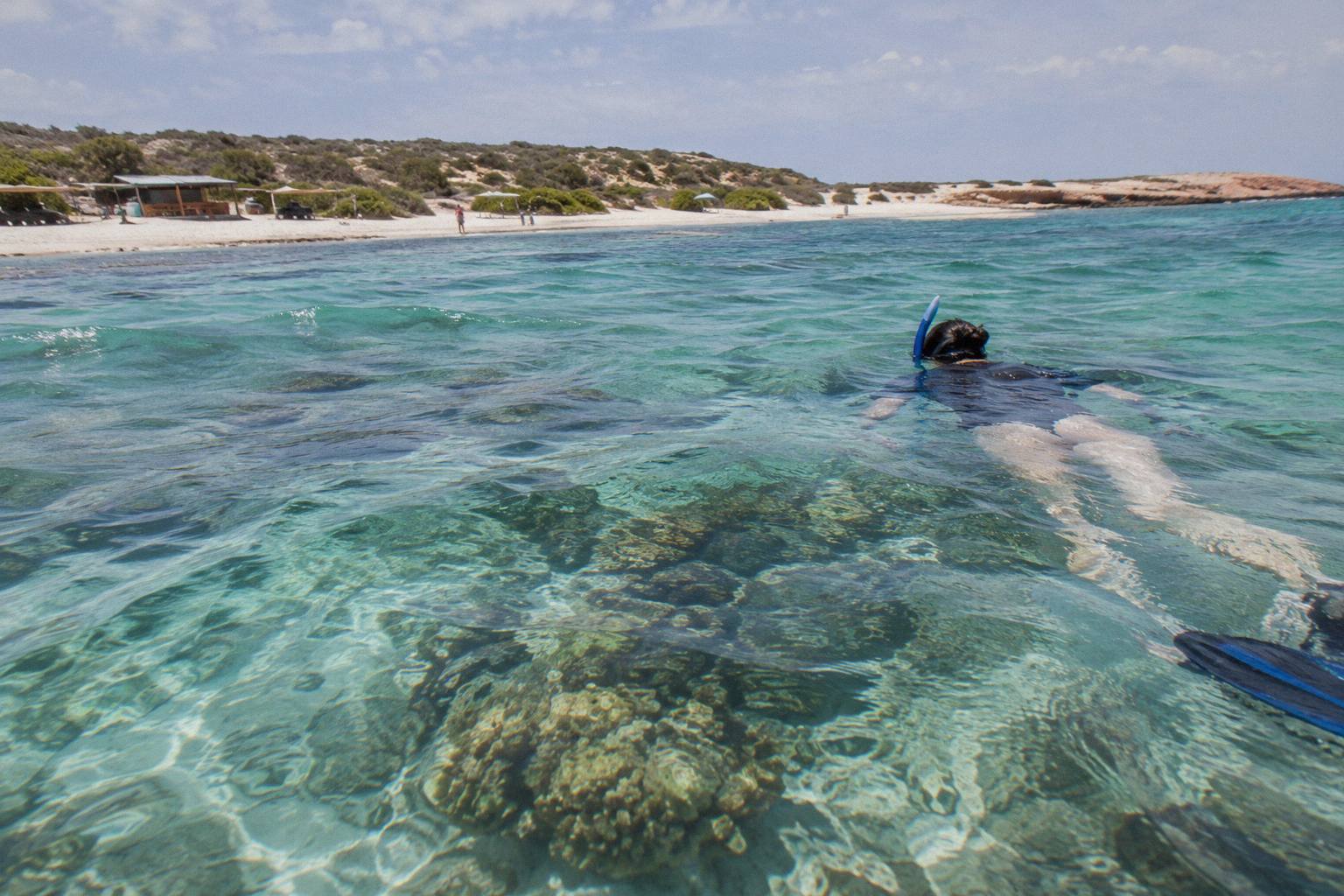
If you are simply deciding what to book, three trips cover the spread of options: a short turtle and reef snorkel, a two-hour coral trip, and a full-day manta swim. Each handles wetsuits differently, which is exactly the point.
Which Coral Bay Tours Include A Wetsuit, And Which Do Not?
The wetsuit split is the single most useful fact for a March or April booking. The full-day manta trips include wetsuits: the Marine Eco Safari, Ningaloo Mantas And More, and the Ningaloo Reef Dive full-day manta tour all list them. The short Ecotours trips do not: the Two-Hour Coral Viewing And Snorkelling and the Glass-Bottom Boat include no wetsuit, and the operator says wetsuits are not provided on the turtle tour either.
That split is not random. Longer trips put you in the water repeatedly across six to nine hours, sometimes in deeper water away from the shelter of the reef, and a suit holds body heat across a long day. Short trips stick to sheltered shallow water where most swimmers are comfortable in bathers for two or three hours. The reef itself does some of the work: Ningaloo is one of the largest fringing reefs, and the lagoon it creates flattens wind chop and holds the sun-warmed shallows that make short swims pleasant even when deeper water further out feels noticeably cooler.
Here is the full picture from the booking pages, tour by tour:
| Tour | Duration | Wetsuit listed | Rating |
|---|---|---|---|
| Marine Eco Safari, Manta Ray Swim | 6 to 7 hours | Yes | 4.8 from 248 reviews |
| Ningaloo Mantas And More, Full Day | 7 hours | Yes | 5.0 from 283 reviews |
| Ningaloo Reef Dive Full-Day Manta Tour | 7 to 7.5 hours | Yes | 4.8 from 119 reviews |
| Explore Ningaloo Small-Group Manta And Wildlife Tour | 3 hours | No | reviews on the booking page |
| Three-Hour Turtle Ecotour | 3 hours | operator says not provided | 4.8 from 169 reviews |
| Glass-Bottom Boat, One Hour | 1 hour | No (no swimming) | reviews on the booking page |
| Two-Hour Coral Viewing And Snorkelling | 2 hours | No | 4.8 from 105 reviews |
Two caveats belong with that table. First, the turtle tour's booking pages conflict on wetsuits, which is why the only statement printed here is the operator's own: Coral Bay Ecotours says snorkel gear is included and wetsuits are not provided on that tour. Second, the whale shark and humpback swims also include wetsuits, but those run in their own seasons, roughly March to July for whale sharks and July to October for humpbacks, so they only overlap the March question at the very start of the whale shark window.
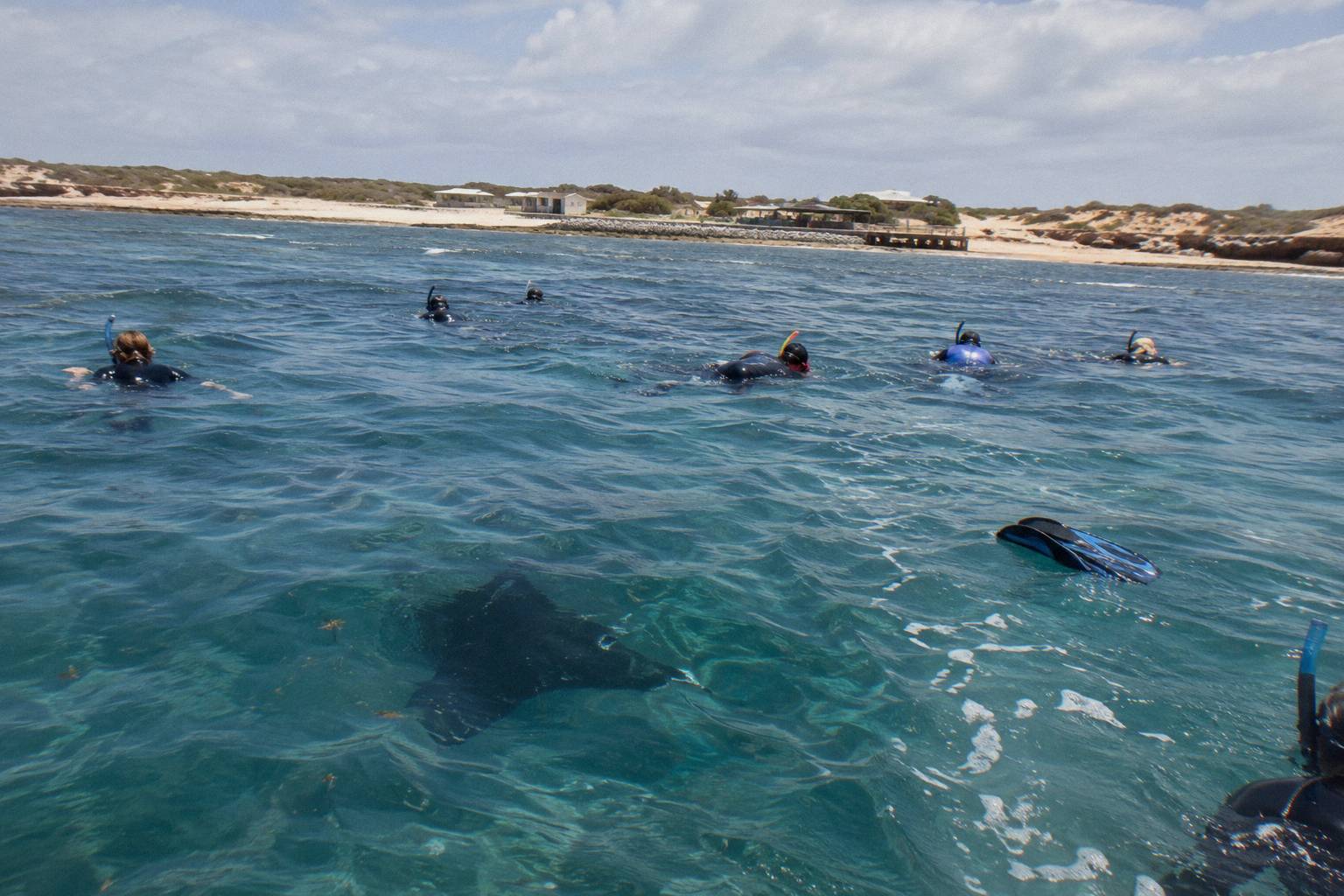
The manta ray tours are the ones that run year-round, and March and April are squarely inside their season. Coral Bay Ecotours says its resident manta rays are encountered all year round while sightings cannot be guaranteed, and Ningaloo Marine Interactions says the same about its mantas frequenting the waters year-round with a wingspan of around 4 metres.
If knowing every wetsuit detail across the roster would help, the post on whether manta ray tours provide wetsuits goes deeper on the full-day trips specifically, including what style of suit each operator hands out.
Why No Official Sea Temperature Exists For Coral Bay
Coral Bay has no Bureau of Meteorology weather station, so no measured air or sea temperature exists for the town itself. The Bureau's nearest stations are Carnarvon Post Office, about 240 km south by road, and Learmonth Airport, about 120 km north, and neither publishes a sea temperature for the Coral Bay coastline. Any sea figure you have seen for Coral Bay is an interpolation or a commercial estimate, not a measurement.
This is worth dwelling on because the internet is full of confident answers to this exact question. Travel sites publish tidy monthly water-temperature tables for hundreds of beaches, and the numbers are generated from models and neighbouring locations rather than read from an instrument in the water at Coral Bay. They can be directionally useful. They are not a measured fact about Bill's Bay in late March.
What the two real stations actually record is worth knowing. Both sit inland of the coast, and both are air measurements:
| Station | Position relative to Coral Bay | Summer mean max | Winter mean max | Mean minimums | Annual rainfall | Rain days |
|---|---|---|---|---|---|---|
| Carnarvon Post Office | south, about 240 km | 31.5 °C (February) | 22.5 °C (July) | 22.2 °C Feb, 10.5 °C Jul | 229.4 mm | 16.9 a year |
| Learmonth Airport | north, about 120 km | 38.1 °C (January) | 24.5 °C July | 24.1 °C Feb, 11.4 °C Jul | 249.1 mm | 16.4 a year |
The Bureau publishes these as long-term monthly means, and they are the closest official numbers that exist. Rainfall matters here too: both stations record well under 20 rain days a year, with Carnarvon's wettest month being June at 59.2 mm, which is why March and April tours rarely face rain as the deciding factor. The gap between the two stations is itself instructive. Carnarvon's February mean maximum of 31.5 °C and Learmonth's January mean maximum of 38.1 °C differ by more than six degrees, which tells you how much the coastal strip varies over the length of the Ningaloo region. Coral Bay sits between them, and so does its weather, loosely and without a measured number to pin it down.
The absence of a sea reading has a knock-on effect for planning: nobody can tell you from a desk whether the water on your particular morning feels warm or cool, because wind, current, and recent weather move shallow reef water around faster than any monthly average captures. The people who do know are the crews who were in it yesterday. Ask at the operator's briefing, not in a search box.
For readers who want the raw station data, the Bureau's own tables for Carnarvon Post Office and Learmonth Airport are the primary source for every figure above. The department's whale shark management page at DBCA carries the seasonal wording for the big fish, though again it covers animal movements, not water temperature.
Is March Or April A Better Month For A Coral Bay Snorkel Tour?
Neither month carries an official temperature advantage, because no measured figure exists for either. The real differences are seasonal overlap: March and April sit at the start of the whale shark season, roughly March to July depending on the source, while manta tours run all year. Group sizes and prices do not change by month on the booking pages. The month choice is really about what animals you want beside the reef fish.
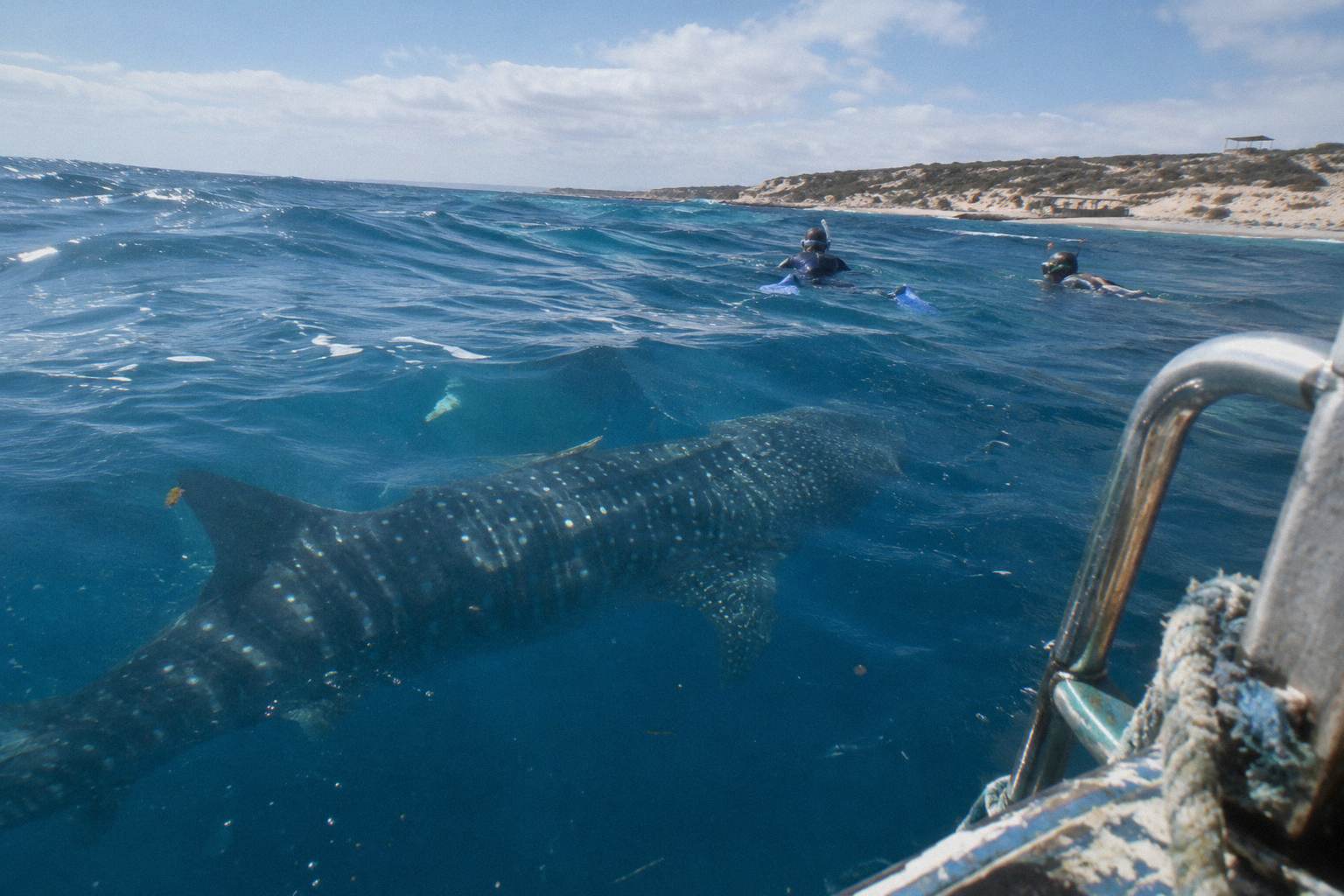
The whale shark season is the one place where the sources genuinely disagree, so it gets printed as a range with attribution. Coral Bay Ecotours says March to June. Ningaloo Marine Interactions says April to June. The Department of Biodiversity, Conservation and Attractions says whale sharks are most reliably seen from March to July. Booking a late-March or April trip therefore gives you a shot at both mantas and whale sharks in one visit, which is exactly the overlap the guide to combining manta, whale shark and reef tours walks through.
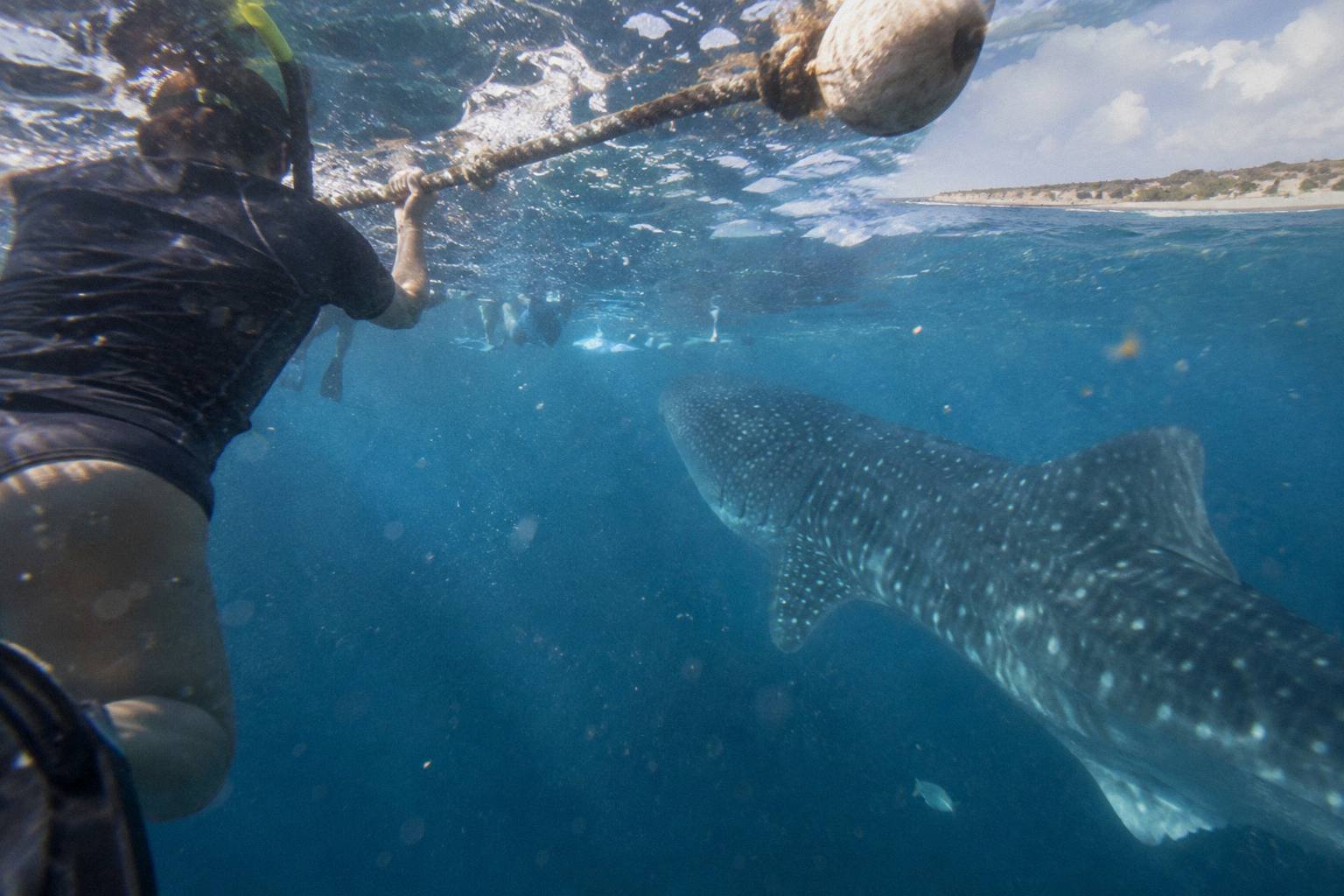
Mantas are the anchor of the shoulder season because they do not leave. The Marine Eco Safari runs daily year-round on a 6 to 7 hour day, from US$237 per person, rated 4.8 from 248 reviews. Ningaloo Mantas And More covers a similar day at the same from-price of US$237, rated 5.0 from 283 reviews over 7 hours, with a smaller group cap of 20 rather than 30. Both include a wetsuit, which loops straight back to the temperature question: these operators plan for people spending long stretches in the water, whatever the month.
One seasonal note that is often missed: humpback whales do not arrive until later, with operators quoting July to October. A March or April visitor who wants whales needs to lower that expectation or shift the month, and the guide to which month to swim with manta rays lays out the full calendar logic month by month.
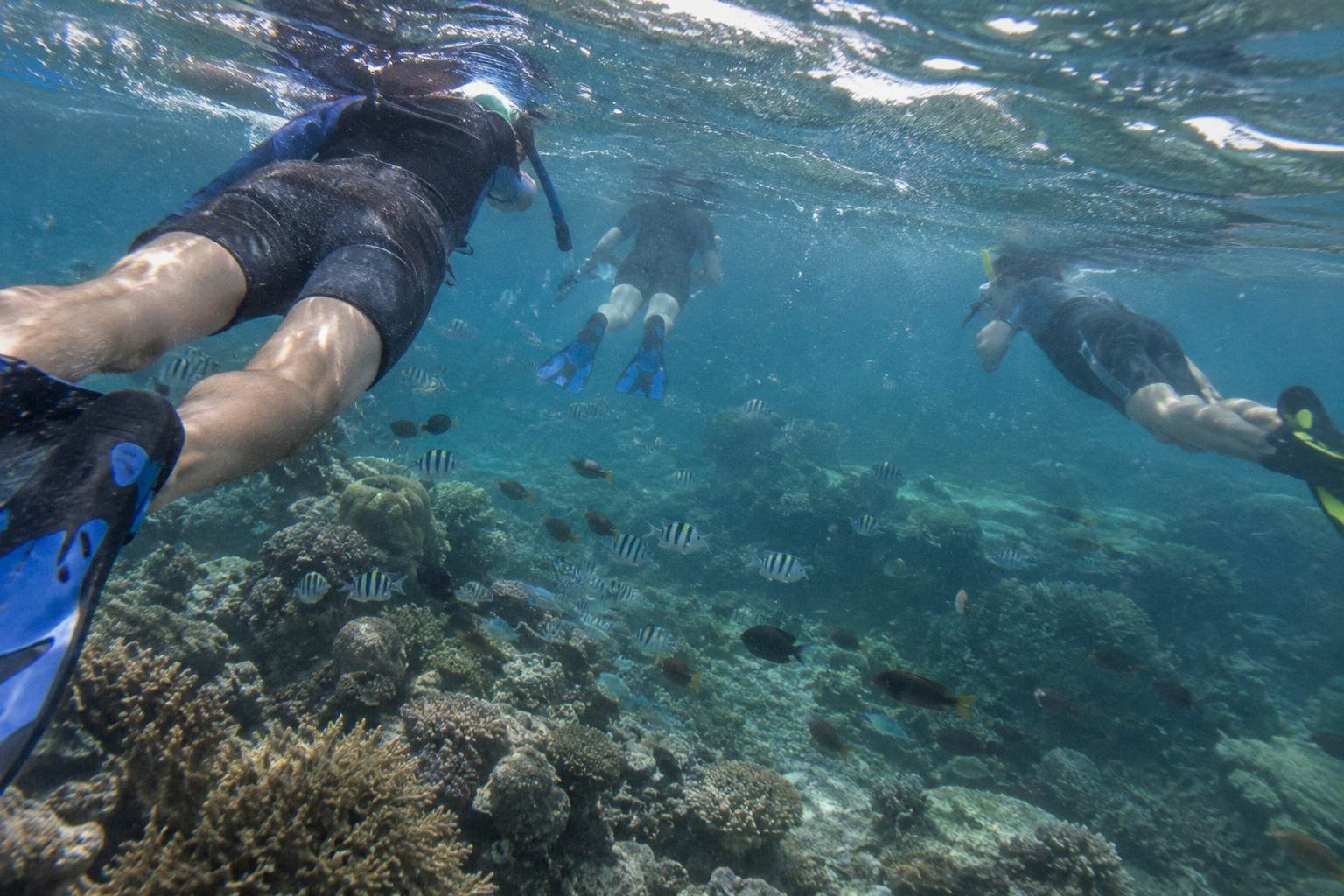
April also carries a small practical edge for families with young children, simply because the short trips keep running through the shoulder: the Explore Ningaloo Small-Group Manta And Wildlife Tour takes children from age 2 and caps the boat at 10 passengers, and the Ningaloo Reef Dive full-day manta tour takes children from age 5. Ages and limits for other trips are not stated on the booking pages, so ask the operator. If you are travelling with small children and the wetsuit question is really a warmth question for them, the post on taking kids on a manta ray snorkel tour covers what to weigh before committing to a full day on the water.
Weather cancellations are the other thing worth a look. Neither month carries a verified cyclone or swell figure, and none will be printed here, but the article on whether weather cancels Coral Bay tours explains how operators make the call and what it means for your booking.
How Do You Decide On A Wetsuit Without A Temperature Number?
You decide on exposure time, not degrees. For water sessions under an hour in sheltered reef shallows, most swimmers in March and April manage in bathers or a rash vest. For repeated sessions across a full day, take the included wetsuit even if the first swim feels warm, because body heat drains across hours, not minutes. And if you feel the cold, rent or bring a suit for any trip, because the short tours do not carry spares.
That first-swim feeling is the trap. People test the water from the beach, find it pleasant, decline the suit, and then discover on the third snorkel of a seven-hour day that they are shivering and sitting out the best section. A wetsuit costs you nothing on a full-day manta trip because it is already in the price; it costs you a whole afternoon if you misjudge it.
Buoyancy is a quiet bonus worth naming. A shorty suit adds float, which reduces the effort of holding position at the surface while you watch a manta work the water below. On a long day, less effort means less cooling, so the suit helps twice over. On the short shallow trips the same float can make free-diving down to look under coral bommies harder, which is one reason the short tours skip suits entirely. Snorkellers who want to dive rather than float can read the piece on freediving on a manta ray tour before choosing.
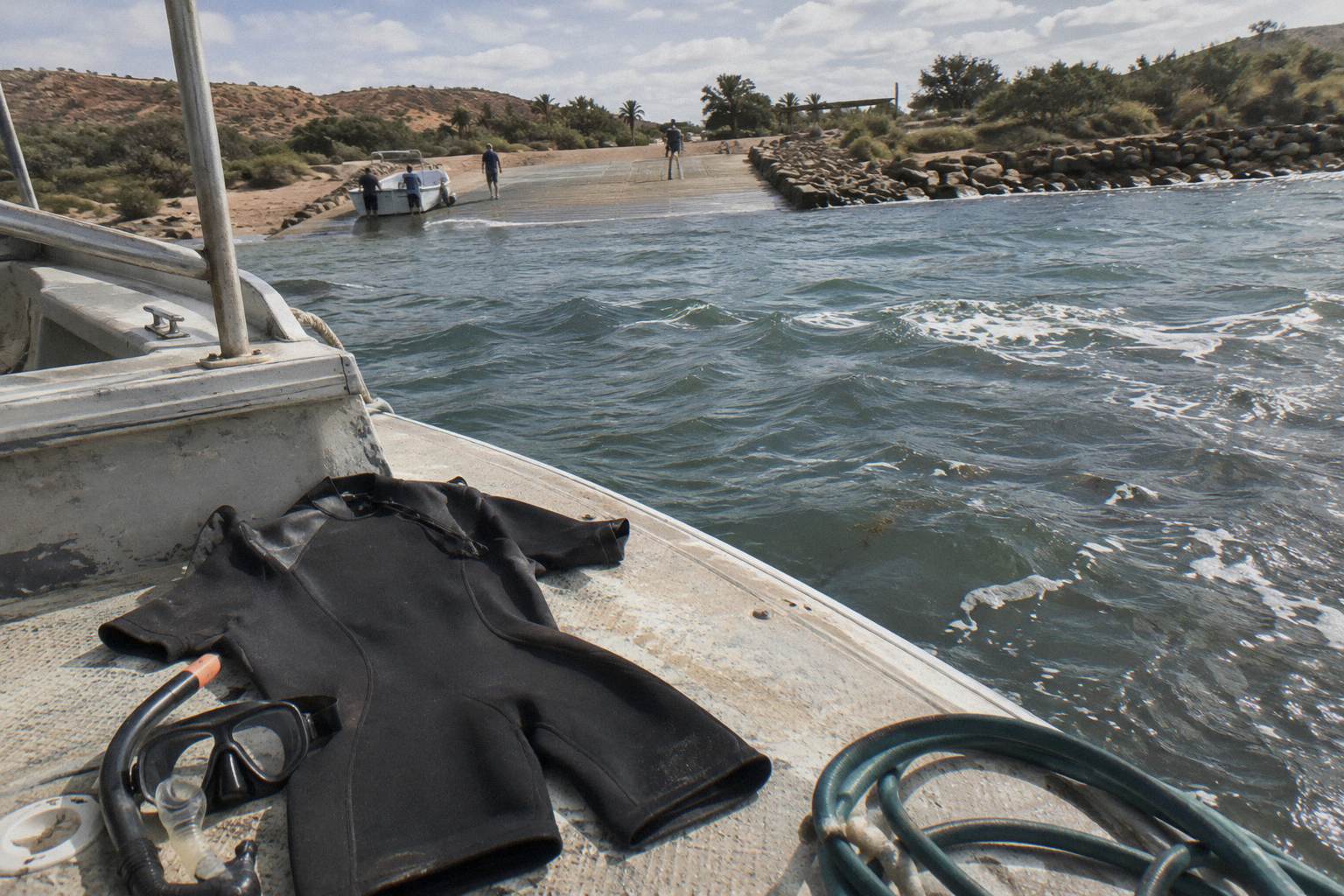
The trips without included suits deserve a second look for exactly this reason. The Two-Hour Coral Viewing And Snorkelling trip, from US$81 per person and rated 4.8 from 105 reviews, includes snorkelling equipment but no food, drinks or wetsuit, and it boards from the beach through shallow water with a request to arrive 15 minutes early. The Three-Hour Turtle Ecotour, from US$108 and rated 4.8 from 169 reviews, includes snorkel gear, tea, coffee and beverages per the booking page, with the operator stating wetsuits are not provided. Both keep you close to shore for a bounded session, which is the trade being made.
For the full treatment on suiting up, the guide on what to wear swimming with manta rays covers layering, sun protection and what actually fits in a day bag. The practical bottom line for March and April: short sessions, sheltered water, no suit needed by most; long days, deep sections, take the suit.
What Should You Ask The Operator Before Booking?
Ask three questions: whether a wetsuit is provided on that specific trip, what the crew advises for the current conditions, and what the cancellation terms say. Every tour on this roster lists free cancellation up to 24 hours on the booking page, but the operators' own terms sit separately beneath that, and Coral Bay Ecotours, for example, charges 25% once a booking is confirmed and 100% inside 7 days. Never merge the two policies when reading.
The first question is the one people skip because they assume the answer. The roster table above shows wetsuit inclusions vary trip to trip, even between trips run by the same operator, and the turtle tour has conflicting wetsuit information between sources. Ask the operator directly and you get the current answer for the boat you will actually board.
The second question is where the real temperature knowledge lives. Crews swim these waters weekly and know whether this week's water is running warm or cool for the season. They also brief on the day's conditions, entry points and the wildlife rules that apply, because touching wildlife is not allowed on any of these tours and no operator guarantees a sighting of any animal. That briefing is also where the crew will tell you how deep the day's sites run and how long each water session lasts, both of which matter more to your warmth than any monthly average.
The third question protects your money. The free cancellation up to 24 hours shown on the booking pages is genuine, but it operates alongside operator terms, and the two are not the same thing. If a weather change or a cold snap makes you want to swap from a short trip to a full-day trip with an included wetsuit, the timing of that decision matters more than any temperature number you were hunting for in the first place.
The Mistakes That Catch March And April Snorkellers
The biggest mistake is trusting a precise water temperature figure for Coral Bay, because no Bureau of Meteorology station exists there and nobody measures the sea. The second is assuming every tour includes a wetsuit when the short Ecotours trips do not. The third is judging the day by your first swim rather than your fifth, when body heat drains across hours, not minutes.
Start with the numbers problem. Travel sites publish tidy monthly water-temperature tables, but those figures come from models and neighbouring locations, not from an instrument at Coral Bay. The nearest stations, Carnarvon Post Office and Learmonth Airport, sit inland and measure air only. Treat any March sea figure you see as an estimate.
Then check the wetsuit split before booking rather than after:
- Included: the Marine Eco Safari, Ningaloo Mantas And More, and the Ningaloo Reef Dive full-day manta tour.
- Not included: the Two-Hour Coral Viewing And Snorkelling, the Glass-Bottom Boat (no swimming anyway), and the Three-Hour Turtle Ecotour, where the operator states wetsuits are not provided.
Note that the turtle tour's booking pages conflict on this point, so the operator's own wording is the reliable one. Ask directly before you board.
The third trap is thermal arithmetic. A pleasant first dip tells you little about hour six of a 7-hour day with repeated water sessions, sometimes away from the shelter of the reef. The suit is already in the price on full-day trips, so declining it saves nothing and can cost you the afternoon. If you feel the cold on a short trip, which carries no spares, bring your own.
Finally, do not chase a monthly number at the expense of the questions that matter. Crews brief conditions on the day, and operator cancellation terms differ from the 24-hour policy shown on booking pages. Coral Bay Ecotours charges 25% once confirmed and 100% inside 7 days, so read both policies separately.
Common Questions About Snorkel Tour Water Temperature In March And April
What Is The Water Temperature For Snorkel Tours In March And April?
No verified sea temperature exists for Coral Bay in any month, because the town has no Bureau of Meteorology station and no official page publishes a sea reading. The nearest stations, Carnarvon and Learmonth Airport, measure air temperature only. Ask the operator about conditions on the day of your tour.
Do Coral Bay Tours Provide Wetsuits?
The full-day manta tours do: the Marine Eco Safari, Ningaloo Mantas And More and the Ningaloo Reef Dive full-day manta tour all list wetsuits as included. The short Ecotours trips do not, and the operator says wetsuits are not provided on the Three-Hour Turtle Ecotour, which includes snorkel gear.
Is March Or April Too Cold To Snorkel In Coral Bay?
There is no measured figure to answer that with, but the air means at the bracketing stations fall between a February mean maximum of 31.5 °C in Carnarvon and a July mean maximum of 22.5 °C, so March and April sit in the warm shoulder of that range. Most swimmers are comfortable in sheltered reef shallows for short sessions; take the included suit on full-day trips.
Can I Rent A Wetsuit In Coral Bay If My Tour Does Not Include One?
This page cannot verify rental availability, and no rental price is published in the site's research. Ask the operator when booking: several include suits on long trips, and the short trips that do not include them keep you in shallow, sheltered water for a bounded session.
Does The Glass-Bottom Boat Involve Getting In The Water?
No. The Glass-Bottom Boat, One Hour trip, from US$54 per person, keeps you on the boat the whole time, viewing the reef through the hull. It is the option for anyone who wants to see Ningaloo's coral without any question of temperature at all.
Do The Two Nearest Weather Stations Tell Me Anything About The Water?
Not directly. Carnarvon Post Office and Learmonth Airport both sit inland and record air temperature only, with no sea reading for the Coral Bay coastline. They bracket the town's weather loosely: Carnarvon averages a February mean maximum of 31.5 °C and Learmonth 38.1 °C in January, falling to the low twenties by July. March and April sit somewhere in that descent. For the water itself, ask the crew at the briefing, because they swam it yesterday.