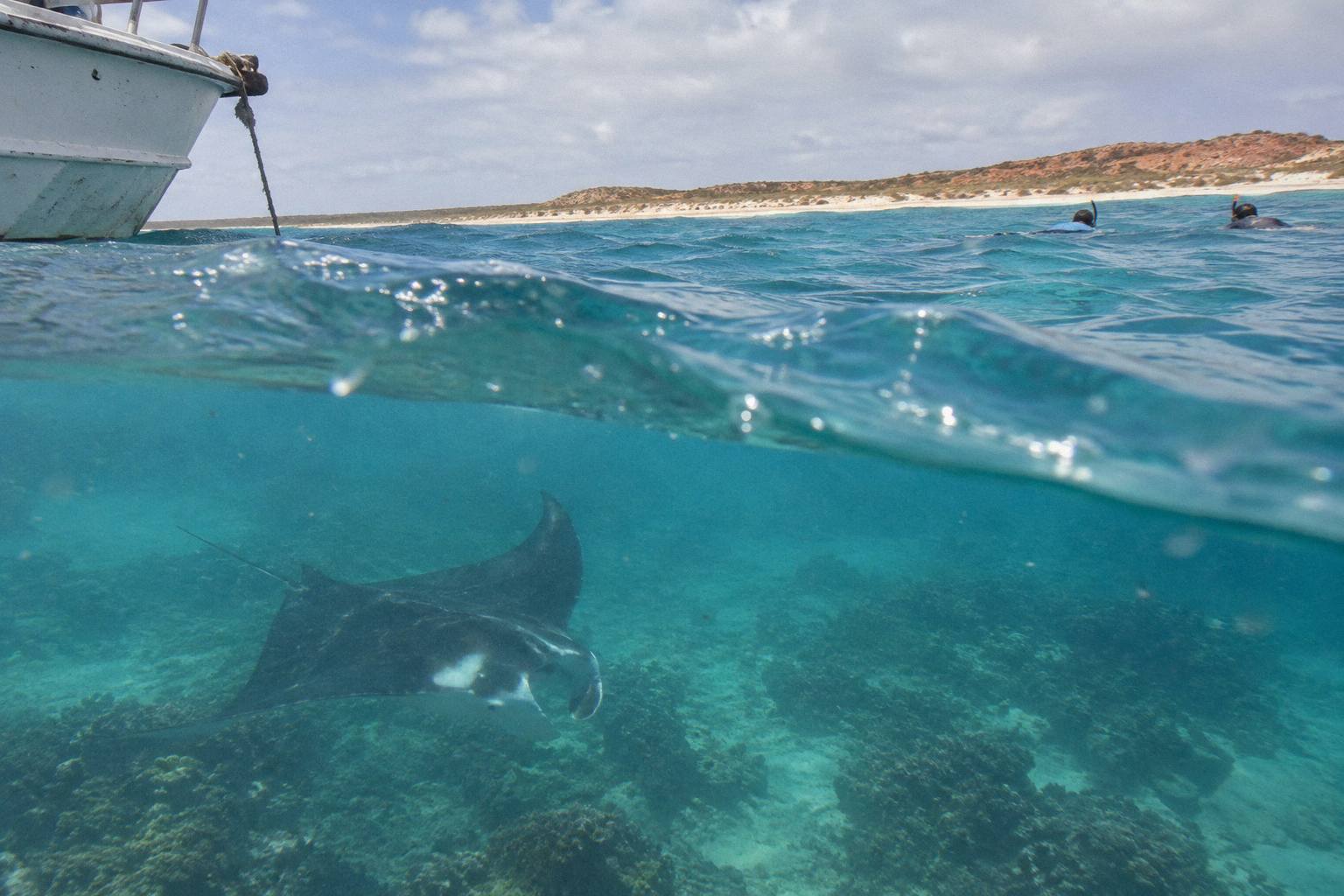
The Right Month For A Manta Ray Tour At Coral Bay
Coral Bay's manta rays are resident, which means there is no closed manta season. What actually moves your dates is the whale shark window, the humpback migration and the heat.
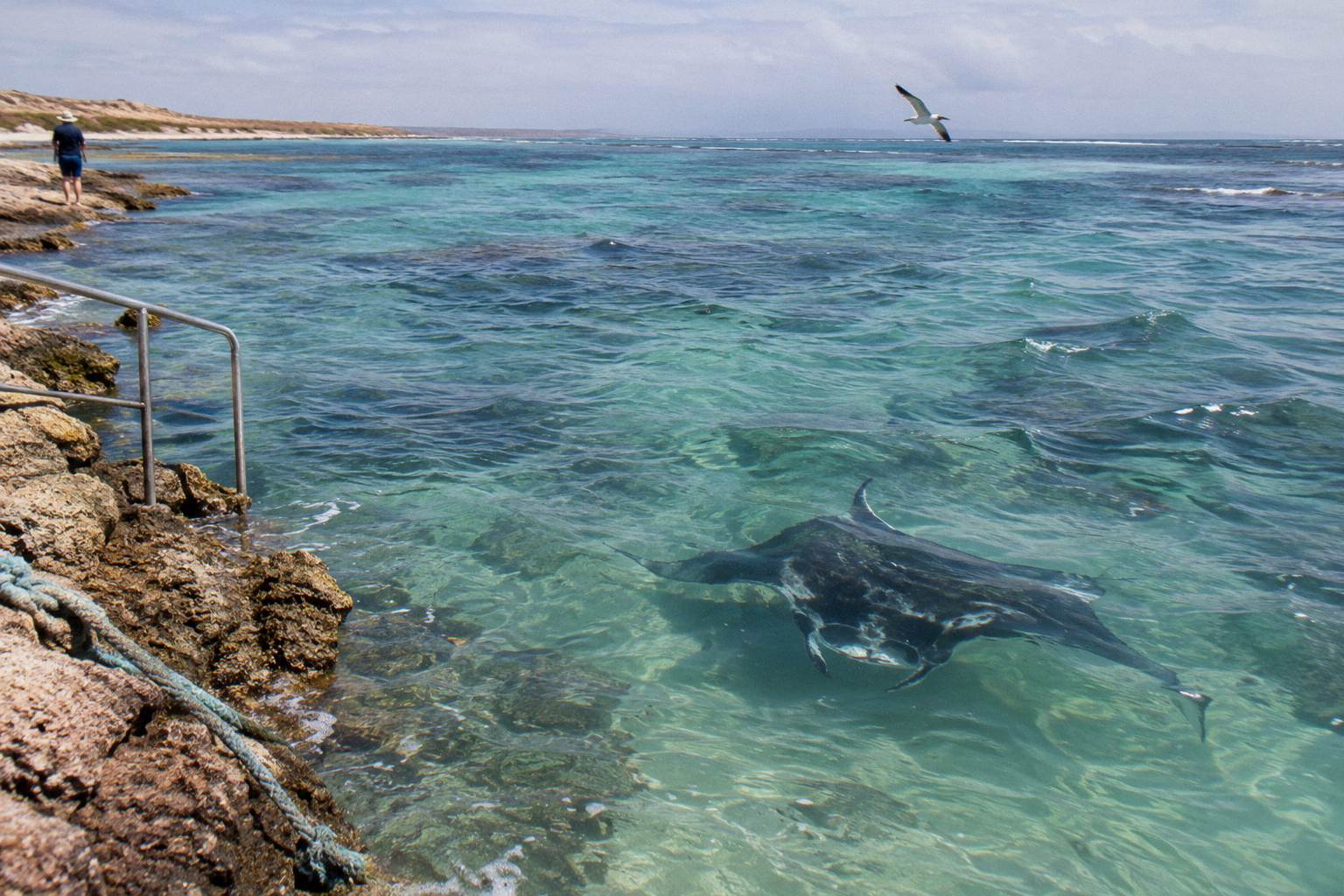
Short answer
Coral Bay's operators state that resident manta rays are encountered year-round and that sightings cannot be guaranteed, so there is no single best manta month. Whale sharks run roughly March to July and humpbacks roughly July to October, which means those windows, not the mantas, usually decide the dates.
Coral Bay sits at the heart of the Ningaloo Coast World Heritage Area, the gateway to the southern part of Ningaloo Marine Park, and its manta rays do not migrate away. Every operator in town runs manta trips in every month of the year, which flattens the usual "when to go" question. The honest answer is that the mantas are a constant and the calendar is decided by everything around them: whale sharks in autumn, humpbacks in spring, summer heat, and the small practical matter of when you can actually get time off.
That still leaves a real decision, because the wildlife stacked on top of the mantas changes completely through the year. A trip in April can pair mantas with whale sharks. A trip in September can pair mantas with the humpback migration. A trip in January is manta rays, reef sharks in the shallows and very warm air. This guide lays out the verified season wording from each source, the climate record from the nearest weather stations, and how the twelve tours on this site line up against the calendar.
Quick Facts
| Fact | Detail |
|---|---|
| Manta season | Year-round resident population, sightings never guaranteed |
| Whale shark window | Roughly March to July, sources differ on edges |
| Humpback window | Roughly July to October, all sources |
| Hottest month | Learmonth mean max 38.1 °C in January |
| Mildest month | July mean max 24.5 °C at Learmonth, 22.5 °C at Carnarvon |
| Reef shark gathering | Up to 200 sharks at Bill's Bay, October to March |
| Full-day manta tour price | From US$237 per person |
| Free cancellation | Up to 24 hours before departure on the booking page |
Are Manta Rays Really Around At Coral Bay All Year?
Yes, in the sense every local operator states it. Coral Bay Ecotours says its resident manta rays are regularly encountered all year round and that, while sightings cannot be guaranteed, research involvement lets it expect mantas, turtles and reef sharks most days of the year. Ningaloo Marine Interactions says mantas frequent its waters year-round. No operator promises a sighting on any given day.
The reason Coral Bay can claim a year-round manta season is a resident population. Reef mantas along Ningaloo hold territories and cleaning stations rather than undertaking the long migrations that make other manta destinations strictly seasonal. The Ningaloo Manta Project, a citizen-science database with photographic sighting records dating back to 2004, tracks individual animals by their belly markings, which act as a unique fingerprint. Two species visit the reef: reef mantas, listed as Vulnerable on the IUCN Red List, and oceanic mantas, listed as Endangered. Both operators describe mantas with a wingspan of up to about 4 metres.
What "year-round" does not mean is a guarantee. Every booking page in the roster carries the caveat that mantas are wild animals and sightings cannot be guaranteed, and this site will not print a sighting rate because none is verified. The practical reading is simple: the probability of encountering mantas does not swing between a season and an off-season the way it does for whale sharks, so the month you choose should be driven by the other wildlife, the weather and your own schedule. If you want a fuller picture of what the day itself involves, the manta ray swim experience guide covers briefing, boat and in-water time in detail.
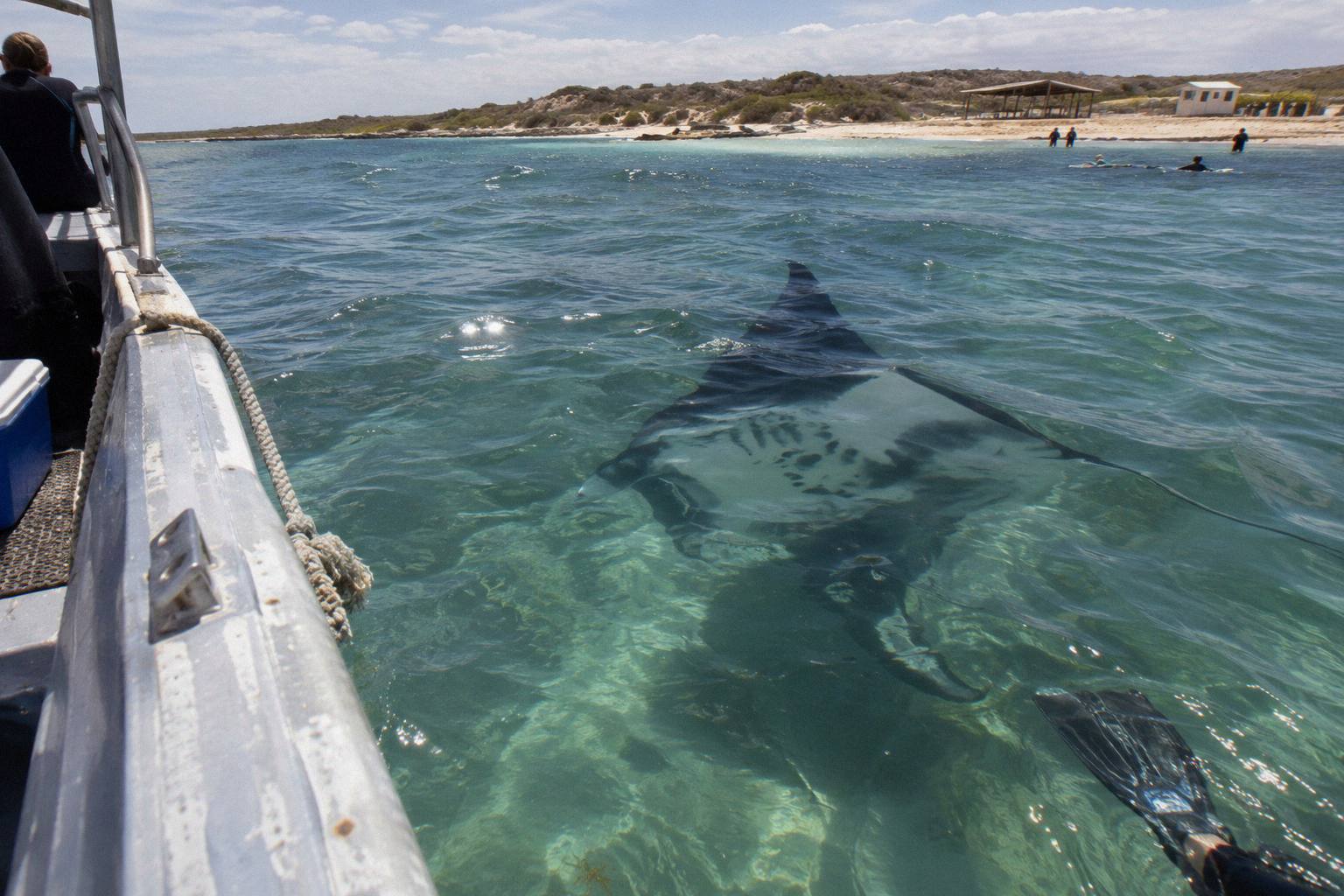
It is also worth saying what is not regulated. There is no manta-specific swim distance or licence rule in the department's published material, so any distance or no-touch instruction you hear comes from the operator's briefing rather than legislation. Touching wildlife is not allowed on these tours as an operator rule.
What Else Is In The Water Each Season?
Whale sharks run roughly March to July and humpbacks roughly July to October, and those two windows are what actually create peak and shoulder months at Coral Bay. Sources disagree on exact edges: the department's whale shark page says most reliably March to July, its park page says March to August, Coral Bay Ecotours says March to June and Ningaloo Marine Interactions says April to June.
The disagreement is worth showing rather than hiding, because it is a real feature of the region's information, not a typo. The table below gives each source's own wording so you can see where the ranges overlap and where they do not.
| Wildlife | Source | Season wording |
|---|---|---|
| Manta rays | Coral Bay Ecotours | Resident mantas encountered all year round; sightings cannot be guaranteed |
| Manta rays | Ningaloo Marine Interactions | Frequent our waters all year round |
| Whale sharks | DBCA whale shark page | Most reliably seen March to July |
| Whale sharks | DBCA Ningaloo Marine Park page | Between March and August |
| Whale sharks | Coral Bay Ecotours | March to June; no repeat vouchers or refunds for non-sighting on this tour |
| Whale sharks | Ningaloo Marine Interactions | April to June on its site; mid-March to mid-July on its booking page |
| Humpback whales | Coral Bay Ecotours | End of June through to mid October |
| Humpback whales | Ningaloo Marine Interactions | July to September |
| Humpback whales | Booking pages | July to October |
The overlap zone is the interesting part. Late March through June is the only stretch where whale sharks and mantas can share one itinerary, and it is the window most visitors aim for. The department is clear that only operators licensed by the department may run commercial whale shark tours, and its swimmer rules for whale sharks are specific: no touching or riding, no closer than three metres from the head or body and four from the tail, no flash or extension-pole cameras, and vessels no closer than 30 metres. Those rules apply to whale sharks only, never to mantas.
Spring belongs to the humpbacks. Coral Bay Ecotours puts the figure at about 30,000 whales passing Ningaloo each season, and its swim format runs groups of 7 swimmers with 2 crew and no camera in the water, refunding from the interaction price to a wildlife swimmer price when no in-water interaction occurs. That is an operator term, and it matters: the in-water humpback swim runs with licensed operators only, and people not on a licensed interaction must not enter the water within 100 metres of a whale. In-water interactions are not permitted in the Commonwealth waters of the marine park.
If a two-species day is the goal, mid-year is when it becomes realistic. The combining manta, whale shark and reef tours guide walks through how operators stack a manta swim against a whale shark day, and it is worth reading before you fix dates in the overlap zone.
The three tours above map neatly onto the calendar question. The Marine Eco Safari, from US$237 per person, rated 4.8 from 248 reviews, runs its manta swim in 6 to 7 hours. Ningaloo Mantas And More, also from US$237 per person, rated 5.0 from 283 reviews over 7 hours, caps its boats at 20 and carries a spotter aircraft. The Whale Shark Safari, price on the booking page, rated 4.8 from 173 reviews across 8 to 9 hours, exists only inside that roughly March to July window, with Ecotours' own terms stating plainly that it offers no repeat vouchers or refunds for non-sightings on that tour. All prices on this page are per person in US dollars.
How Hot Is Coral Bay In Each Month?
Coral Bay has no weather station, so the honest climate record comes from the two nearest stations: Carnarvon to the south and Learmonth Airport to the north. Learmonth averages a mean maximum of 38.1 °C in January and 24.5 °C in July; Carnarvon averages 31.5 °C in February and 22.5 °C in July. Coral Bay sits between them, closer to the coast.
Summer here is genuinely hot and winter is mild, which is the single biggest comfort factor in choosing a month if wildlife is secondary. The Bureau's long-term averages for the bracketing stations look like this.
| Station | Hottest month, mean max | Coolest month, mean max | Mean min, coolest month | Annual rainfall | Rain days |
|---|---|---|---|---|---|
| Learmonth Airport (north) | 38.1 °C, January | 24.5 °C, July | 11.4 °C, July | 249.1 mm | 16.4 |
| Carnarvon Post Office (south) | 31.5 °C, February | 22.5 °C, July | 10.5 °C, July | 229.4 mm | 16.9 |
Two things follow from that table. First, rainfall is low year-round and concentrated in June at Carnarvon, at 59.2 mm for the month, so rain is rarely the reason a tour is cancelled; the marine conditions on the day matter far more. Second, no verified sea temperature, wind season, cyclone or swell figure exists for Coral Bay in this site's research, and it will not invent one. If you are weighing a winter visit for comfort, ask the operator's briefing about suits and conditions rather than relying on a sea temperature number found elsewhere.
The what to wear swimming with manta rays post matters more here than most people expect, because the air temperature range across the year is wide while the water comfort question is a separate one. Wetsuits are included on the full-day manta boats, which the wetsuits on manta tours post covers tour by tour.
Which Month Should You Actually Pick?
There is no best manta month, and this guide will not invent one: the operators state year-round. The choice is really three seasons, roughly March to July for whale sharks and mantas together, roughly July to October for humpbacks and mantas, and the warmer months either side, when mantas, turtles and reef sharks carry the trip. Pick by what you want beside the manta.
A month-by-month sketch makes the trade-offs concrete. This is planning guidance built from the season wording and climate data above, not a prediction about any individual day.
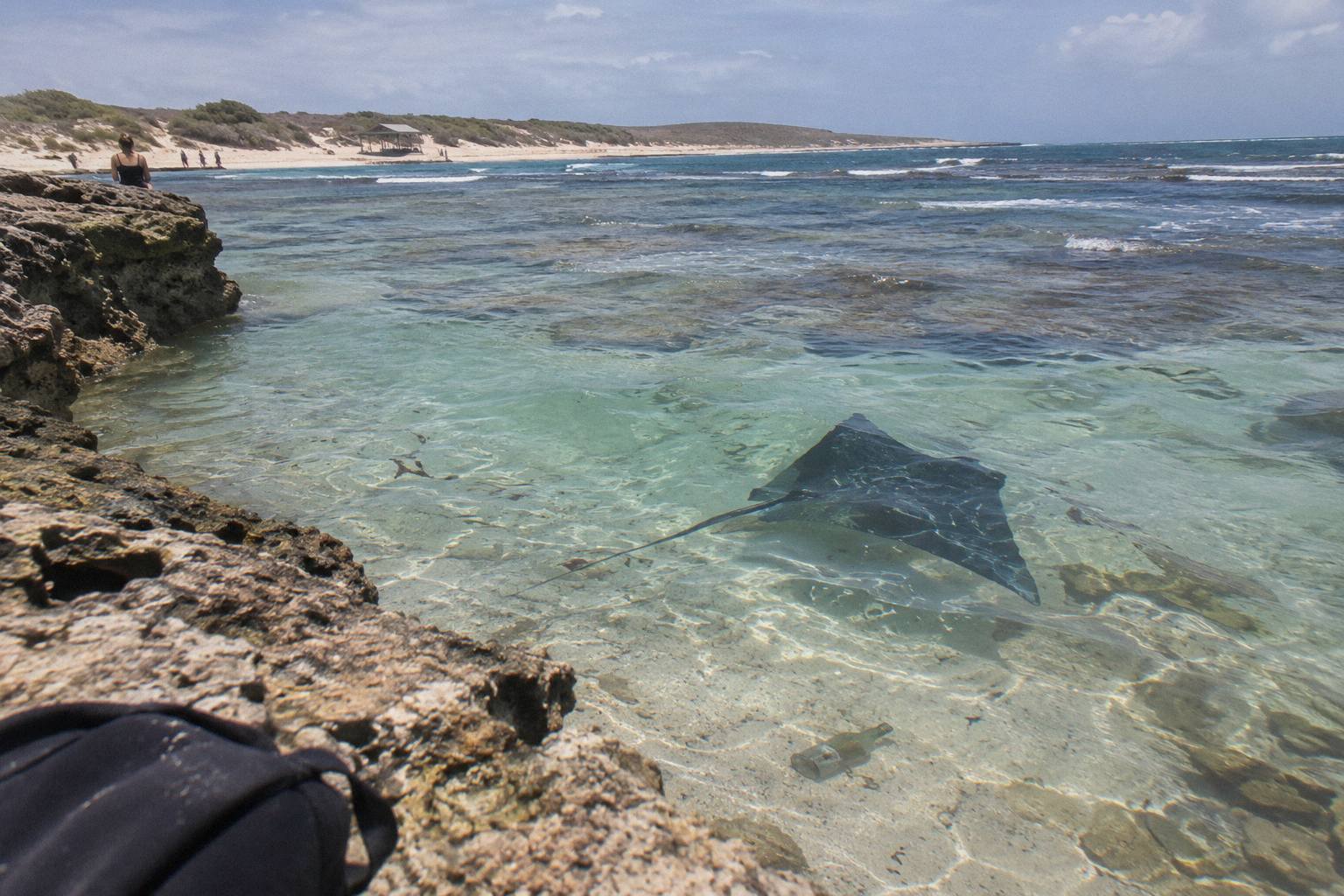
| Period | Mantas | Whale sharks | Humpbacks | Notes from the sources |
|---|---|---|---|---|
| January to February | Year-round per operators | No | No | Hottest months; Learmonth mean max 38.1 °C in January; reef sharks gather at Bill's Bay October to March |
| March to April | Year-round | Overlap zone begins; sources differ from mid-March | No | DBCA says most reliable March to July; Ecotours says March to June |
| May to June | Year-round | Core whale shark months across all sources | Late June possible per Ecotours | Carnarvon's wettest month is June at 59.2 mm, still low in absolute terms |
| July to August | Year-round | Tail of the window on DBCA's park wording | Core humpback season, all sources | Mildest air of the year: July mean max 24.5 °C at Learmonth, 22.5 °C at Carnarvon |
| September to October | Year-round | No | Season winds down; Ecotours says mid October | Calm air, warming steadily |
| November to December | Year-round | No | No | Warming toward the summer peak; reef shark gathering starts in October |
The one thing this table deliberately does not do is name a best month for mantas, because the operators themselves do not, and any site that does is guessing. What the sources do support is that the shoulder edges, late March and late September, are where two-species chances overlap and crowds are thinner than the peak. The tours by month guide goes deeper on what runs in each specific month, including the shorter trips.
Which Tours Fit Which Part Of The Year?
Every full-day manta tour runs all year, so the month mostly decides which add-ons exist. From roughly March to July the whale shark trips run alongside the mantas; from roughly July to October the humpback swim and whale watching replace them; and in between, short trips like the turtle ecotour, the glass-bottom boat and the reef snorkel fill the quieter months at lower prices.
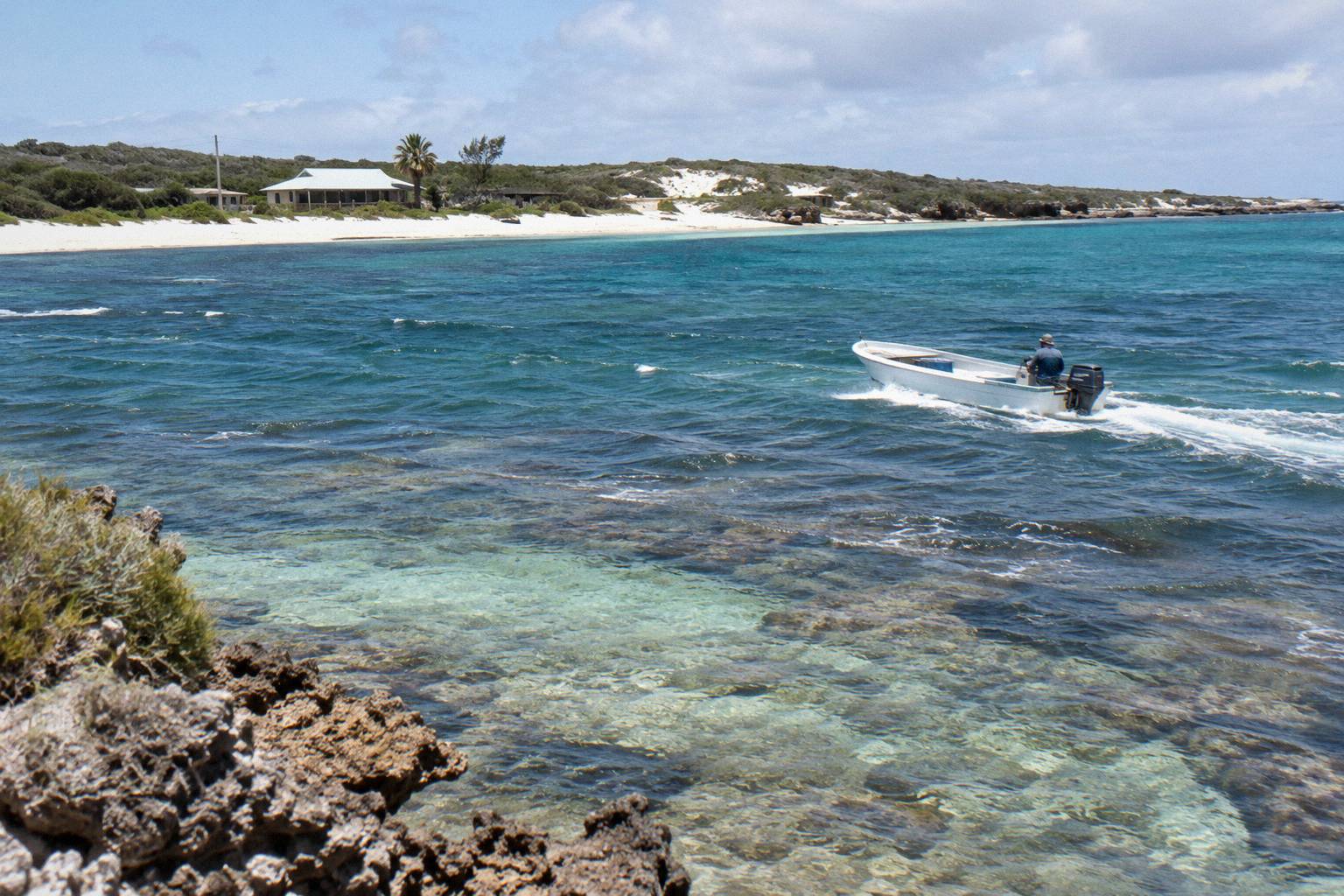
The manta options themselves differ more in style than in season. The Marine Eco Safari from Coral Bay Ecotours runs daily, departs 8 AM and returns between 2 and 3 PM on the vessel Kurni Ku, with spring suits, snorkel gear, morning tea, lunch and afternoon snacks included, and the operator recommends it for experienced swimmers. Ningaloo Mantas And More, from the same from-price of US$237 per person, uses a spotter aircraft and carries a group cap of 20 against Ecotours' 30. Ningaloo Reef Dive's full-day manta tour, price on the booking page and rated 4.8 from 119 reviews, adds a spotter plane and a choice of two snorkels or dives at the reef, with a minimum age of 5. The half-day versus full-day manta tour guide compares the formats directly.
Whale shark season brings its own set. The Whale Shark Safari from Ecotours, 8 to 9 hours with lunch, champagne and a photo package, sits at the budget-friendlier end of that category, while Ningaloo Marine Interactions' Whale Shark Odyssey, from US$501 per person and rated 5.0 from 23 reviews across 9 hours, adds a marine biologist and complimentary photos. Note that one whale shark booking page lists an additional park fee; check the booking page rather than assuming the headline price is total.
Outside both windows, the shorter trips matter more. The Three-Hour Turtle Ecotour, from US$108 and rated 4.8 from 169 reviews, the Two-Hour Coral Viewing And Snorkelling at from US$81, rated 4.8 from 105 reviews, and the one-hour Glass-Bottom Boat at from US$54 give families and non-swimmers a full day on the water without committing to a full-day format. The Explore Ningaloo small-group manta and wildlife tour, 3 hours with a maximum of 10 passengers and a minimum age of 2, price on the booking page, runs subject to a minimum of 4 passengers and offers guided manta snorkelling when conditions allow.
What About Crowds, School Holidays And Water Conditions?
The peak visitor period follows the whale shark and humpback windows, roughly April to October, with the warm months far quieter for tours but busier with heat. Sea conditions are not predictable from a calendar: no verified swell or wind season figure exists for Coral Bay, and the operators decide on the day. Book the month on wildlife, not on a forecast.
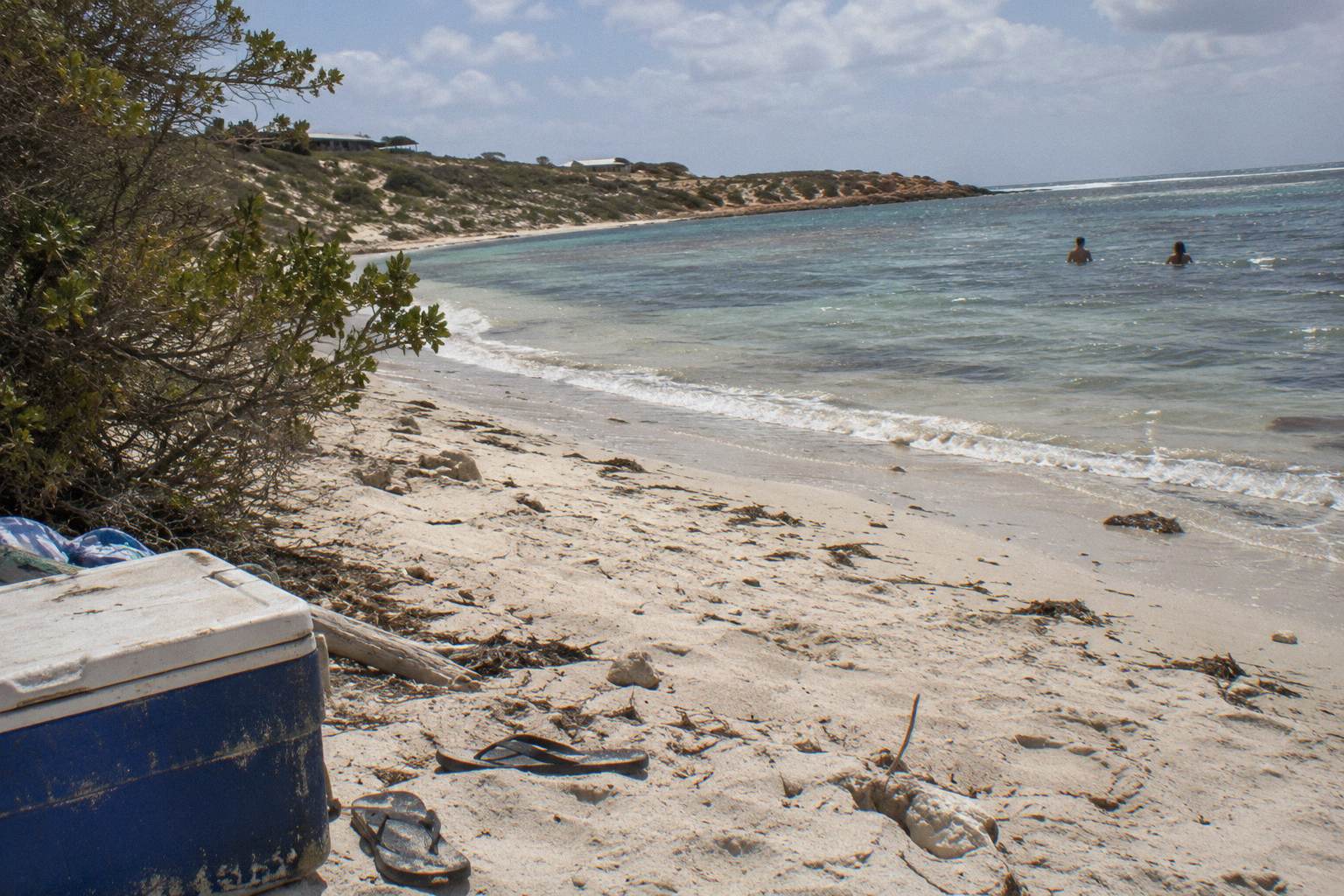
A practical note on the heat: the nearest stations bracket the town, and Learmonth Airport's January mean maximum of 38.1 °C is a reminder that midsummer days start early. Full-day tours that depart at 8 AM do most of their in-water work before the worst of the afternoon, which is one reason the schedule rarely changes across the year. If you are travelling with children, the kids on a manta snorkel tour post covers minimum ages, which on the manta roster are only stated on some trips.
Seasickness is the other day-level variable that no calendar solves, and the seasickness on Coral Bay boat tours post is worth five minutes before any full-day booking. On weather cancellations generally, operators rather than the season make the call, and the will weather cancel Coral Bay tours post explains what happens to your booking when it does.
What Happens If The Mantas Do Not Show?
Nothing is refunded automatically. Every operator states that wildlife sightings cannot be guaranteed on any tour, and Coral Bay Ecotours' terms are explicit that it offers no repeat vouchers or refunds on the whale shark tour for non-sightings. The manta tours do not carry a stated non-sighting refund either; what you are buying is the day, the crew and the attempt.
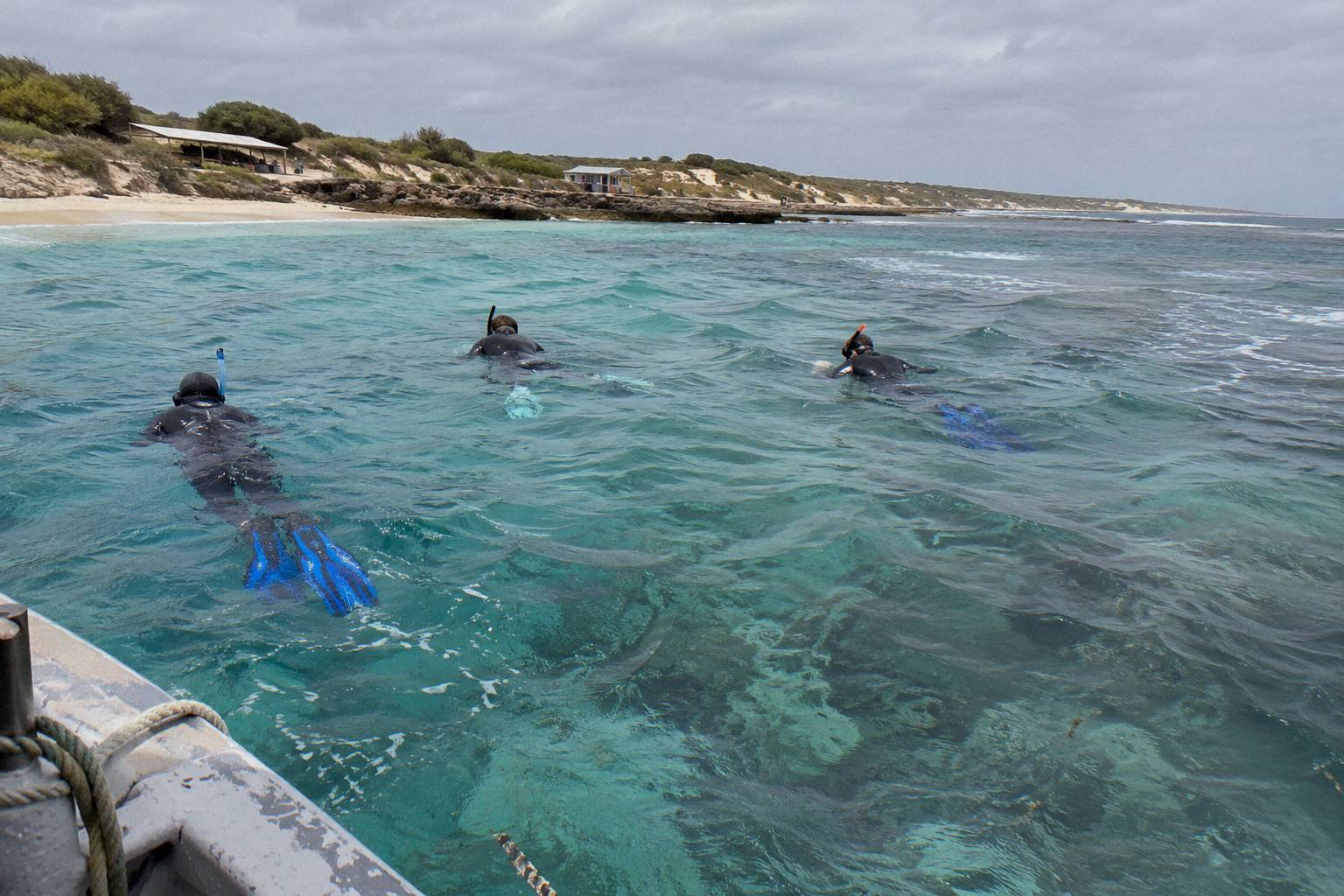
This is the counterweight to the year-round claim, and it applies in every month equally. Because the mantas are resident rather than migrating, a no-show day in July is not a seasonal failure, it is the ordinary variance of wild animals. The spotter aircraft used by Ningaloo Marine Interactions, the reef dive operator and the Exmouth-based luxury cruise exists precisely to shrink that variance, and the in-water photos included on several bookings are usually taken on the day whether or not a manta appears.
The full policy picture, including what the no-sighting refund situation means for each operator, is covered in its own post, but the planning version is short: choose a month for the wildlife you want a chance at, then treat the mantas as the reliable base layer rather than the guarantee. If a manta-focused trip is the priority, check availability on the Marine Eco Safari for your dates, since it runs daily year-round.
How Far Ahead Should You Book A Manta Month?
Free cancellation up to 24 hours before departure applies on the booking page for all twelve tours listed here, which means you can fix a month early and adjust later. The operators' own terms are separate and stricter, for example Coral Bay Ecotours charges 25% once a booking is confirmed and 100% inside 7 days, so the two layers never merge. Book early, cancel early.
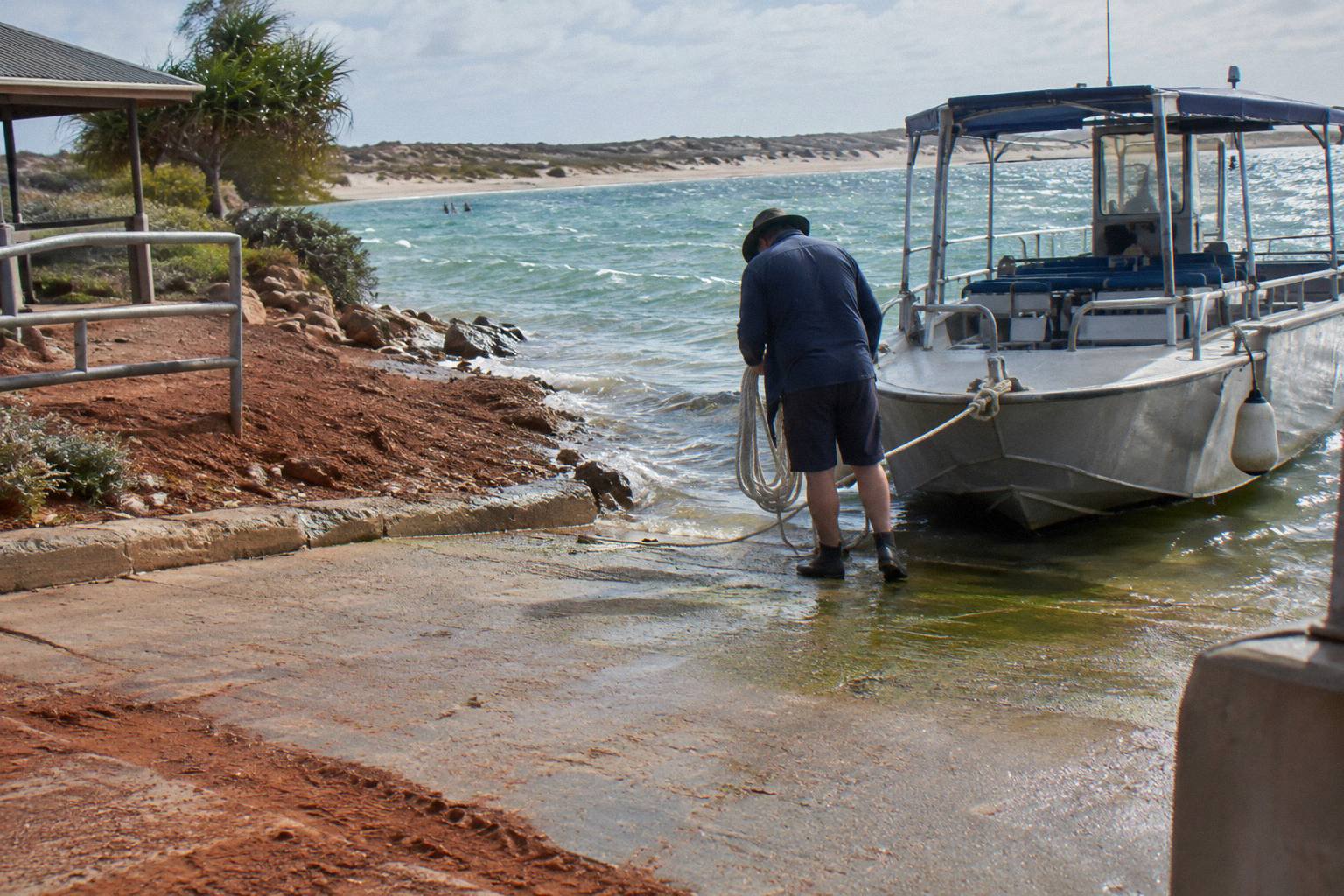
The layering of cancellation terms is the detail most people miss. The booking page's 24-hour free cancellation is real, but the operator's direct terms sit underneath it and take over once you are inside their window, and Coral Bay Ecotours' schedule of 25% after confirmation and 100% within 7 days is the published example on this roster. Children aged 5 to 15 are priced as children on Ecotours' trips, with under-5s free except on the manta, whale shark and humpback swims, so family budgeting changes with the tour, not the month.
Practical timing follows the season logic. If your month falls inside the whale shark window, book that trip first: it is the scarce one, it runs only a few months, and group caps of 20 fill. The manta trips run daily in every month and are more forgiving, though the how many days you need in Coral Bay question still argues for at least a two-day buffer so one blowy morning does not end the trip. Getting there is its own planning item, roughly 1,130 km or about 12 hours by road from Perth, about 150 km from Exmouth and about 120 km from Learmonth airport, all approximate, and the getting to Coral Bay guide covers the options.
Choosing a month for a manta tour at Coral Bay Manta Ray Tours turns out to be a question about everything except the mantas. The rays are the constant.
Timing Errors That Cost People Their Manta Trip
The biggest mistake is hunting for a "best" manta month when the operators state year-round resident mantas. People fixate on the rays and miss that the calendar is really about whale sharks, roughly March to July, or humpbacks, roughly July to October. Others expect a guaranteed sighting, book a whale shark tour assuming a refund, or underestimate January heat that averages 38.1 °C.
The first error is treating the mantas as seasonal. Both operators state resident mantas frequent these waters all year, backed by the Ningaloo Manta Project's photographic records dating back to 2004, tracked by belly markings. No closed manta season exists, so if a site names a best manta month it is guessing.
The second error is confusing one species with another. The three-metre and four-metre swim distances, the 30-metre vessel rule and the licensing requirement apply to whale sharks only. There is no manta-specific distance in the department's published material; what you hear on the day comes from the operator's briefing. The in-water humpback swim runs with licensed operators only.
Then there is the refund assumption. Nothing is refunded automatically for a no-show. Every operator states sightings cannot be guaranteed, and Coral Bay Ecotours explicitly offers no repeat vouchers or refunds for non-sightings on its whale shark tour. What you buy is the day, the crew and the attempt.
Heat catches people out too. Coral Bay has no weather station, but the bracketing stations show January mean maxima of 38.1 °C at Learmonth and February mean maxima of 31.5 °C at Carnarvon. Full-day tours departing 8 AM do most in-water work before the afternoon peak, so midsummer starts early.
Finally, check cancellation layers. Free cancellation up to 24 hours before departure applies on the booking page, but the operator's own terms sit underneath: Coral Bay Ecotours charges 25% once confirmed and 100% inside 7 days.
Common Questions About The Best Month For Manta Rays At Coral Bay
Are Manta Rays Really At Coral Bay All Year?
Both major operators state it: Coral Bay Ecotours says resident mantas are encountered all year round and expected most days of the year, and Ningaloo Marine Interactions says mantas frequent its waters year-round. Sightings are never guaranteed in any month, but there is no closed manta season.
What Is The Best Month To Swim With Manta Rays At Coral Bay?
There is no single best manta month, and the operators do not claim one. The month choice comes down to what you want alongside the mantas: whale sharks roughly March to July, humpbacks roughly July to October, or quieter warm months with turtles and reef sharks.
Can You See Whale Sharks And Manta Rays On The Same Trip?
Not usually on one tour, but in the same visit. The overlap window runs roughly late March to June or July, depending on the source, and Coral Bay operators run separate whale shark and manta tours in that period, so a stay of several days can cover both.
When Do Humpback Whales Pass Coral Bay?
Sources give slightly different edges: Coral Bay Ecotours says end of June through to mid October, Ningaloo Marine Interactions says July to September, and booking pages say July to October. Ecotours attributes a figure of about 30,000 whales passing Ningaloo each season.
Is Coral Bay Too Hot In Summer For A Manta Tour?
It is hot but manageable. The nearest stations average a mean maximum of 38.1 °C in January at Learmonth and 31.5 °C in February at Carnarvon, and full-day tours depart around 8 AM, doing most in-water time before the afternoon peak. Rain is rare in every month.
Do Manta Tours Get Cancelled In Certain Months?
Cancellations follow the day's marine conditions, not the calendar, and operators make the call on the morning. No verified wind season or swell figure exists for Coral Bay, so treat any monthly cancellation pattern claimed elsewhere with caution and check the operator's briefing.