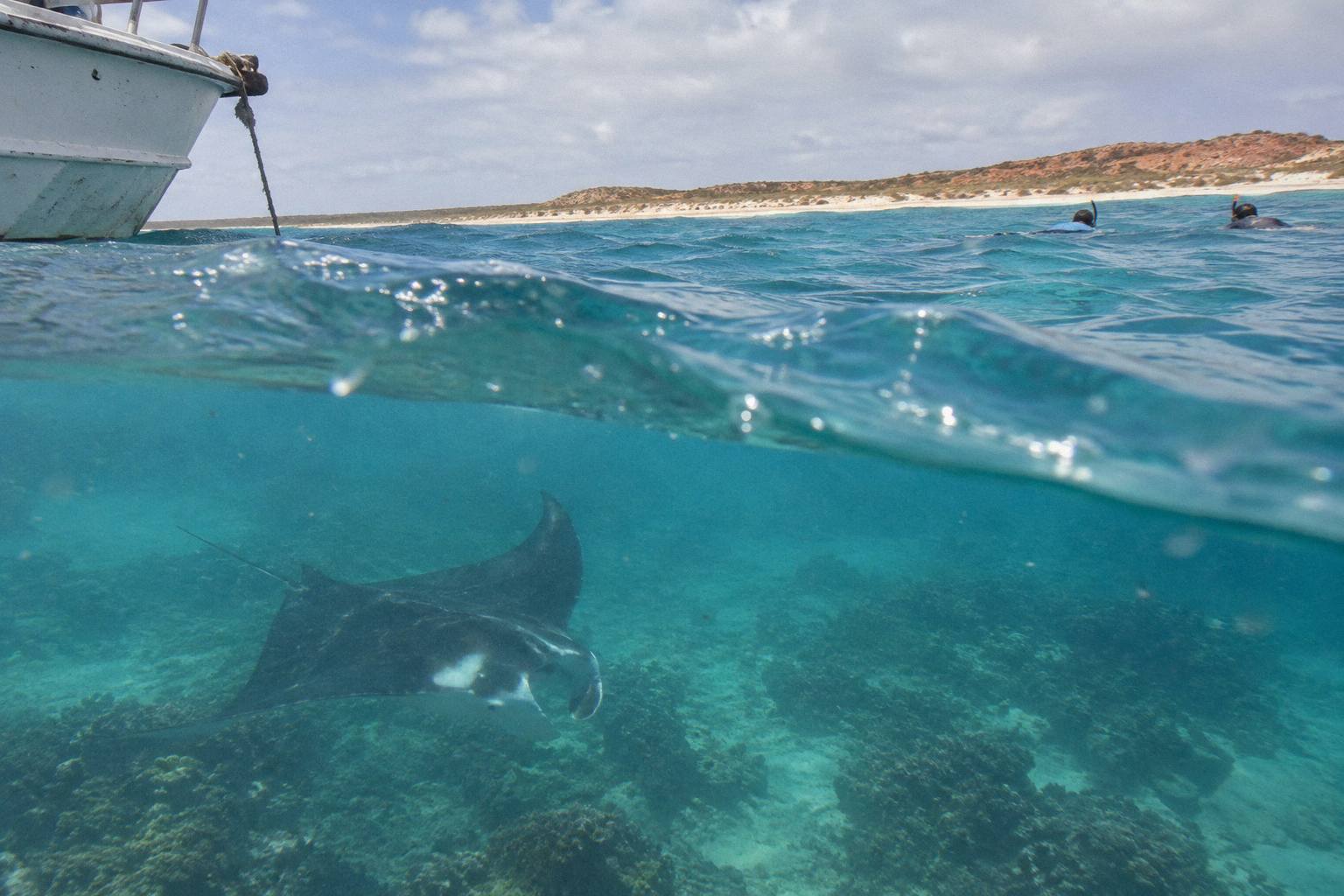
Ningaloo Marine Park Tours: Sanctuary Zones And Rules That Shape Your Trip
Ningaloo Marine Park is the reason Coral Bay exists as a tour town, and its zones and wildlife rules quietly decide what your day on the water looks like. Here is what the rules actually say, and how they shape the trips you can book.
Short answer
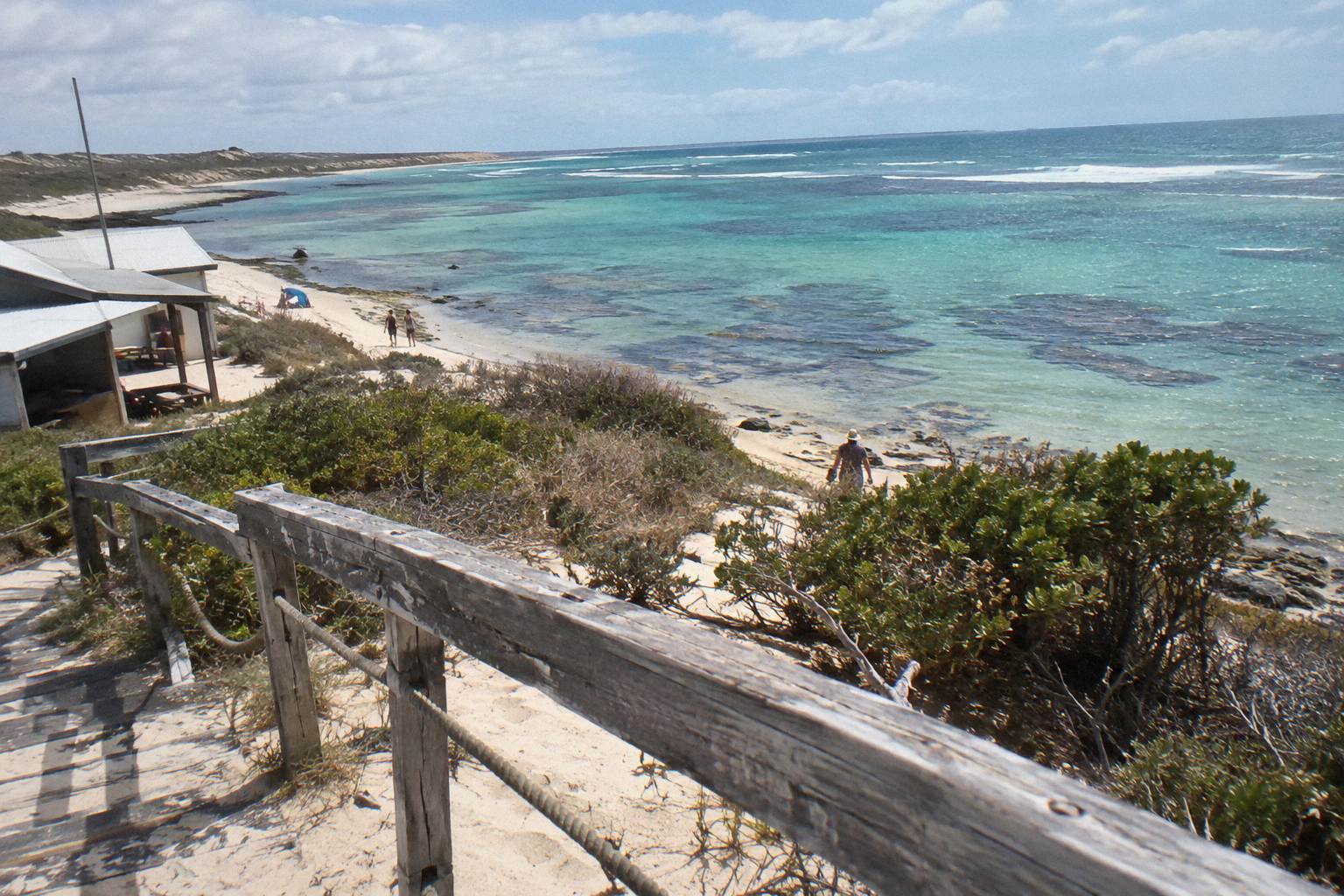
Ningaloo Marine Park is a World Heritage-listed fringing reef with no park entry fee. Coral Bay sits beside the Maud Sanctuary Zone, where fishing and collecting are prohibited but swimming and snorkelling are welcome. Whale shark and humpback swims run with licensed operators only; no dedicated manta ray rule exists, so follow your operator's briefing.
Ningaloo Marine Park is not a backdrop to Coral Bay's tour industry; it is the framework the whole industry is built inside. The park's boundaries, its sanctuary zones and its species-specific interaction rules decide which boats leave the ramp, who is allowed in the water with what animal, and how your guide briefs you before you jump in. Understanding the rules before you book does more than make you a well-informed guest: it explains why tours are structured the way they are, from spotter planes to swimmer counts to the seasons certain trips can run at all.
The park itself is a big deal in world terms. The Department of Biodiversity, Conservation and Attractions describes Ningaloo Marine Park as World Heritage-listed and one of the largest fringing reefs, with Coral Bay sitting at the heart of the Ningaloo Coast World Heritage Area, which was inscribed in 2011 at the 35th session of the World Heritage Committee. DBCA names the Baiyungu, Thalanyji and Yinigurdira people as the area's Traditional Owners. For a tour planner, the practical points are simpler: there is no park entry fee, dogs are not allowed, and the water in front of town is sheltered, shallow and swimmable straight from shore.
Quick Facts
| Fact | Detail |
|---|---|
| Park entry fee | None listed on the DBCA park pages |
| Sanctuary zone beside Coral Bay | Maud Sanctuary Zone, where all fishing and collecting are prohibited |
| Shore-based fishing | Finfish only, in the special purpose zone south of Bill's Bay along Paradise Beach |
| Whale shark swimmer distances | 3 metres from head or body, 4 metres from the tail; no touching or riding |
| Humpback swim rule | Licensed operators only; no swimming within 100 metres of a whale otherwise |
| Manta ray rules | No dedicated DBCA rule; follow the operator's briefing; no touching |
| Whale shark season | Roughly March to July, depending on the source |
| Dogs in the park | Not allowed |
What Is Ningaloo Marine Park And Why Do Its Rules Matter?
Ningaloo Marine Park protects a World Heritage-listed fringing reef on Western Australia's Coral Coast, and it is managed with zones and species rules that directly shape every commercial tour from Coral Bay. The park is one of the largest fringing reefs in the world, inscribed on the World Heritage List in 2011, and DBCA states that only licensed operators may run commercial whale shark tours. Coral Bay is the gateway to the park's southern section.
The World Heritage listing is more than a plaque. UNESCO's criteria for the Ningaloo Coast include remarkable aggregations of whale sharks and a marine diversity of more than 300 documented coral species and over 700 reef fish species. That diversity is exactly what the tour roster sells: manta rays, turtles, reef sharks, humpbacks, whale sharks and reef fish, all within a park boundary that starts close to shore. The 2011 inscription press release described a 604,500 hectare property, while the current list page gives 705,015 hectares after later boundary changes, so treat any single area figure with care.
What the rules mean for you, concretely:
- Wildlife interaction distances and swimmer limits are species-specific, and only whale sharks have a full published rule set from the department.
- Commercial whale shark tours, and in-water humpback swims, are restricted to licensed operators. You cannot arrange these privately.
- The park has no entry fee, so the price you see on a tour listing is the tour price, though one whale shark listing carries an additional park fee as an extra cost.
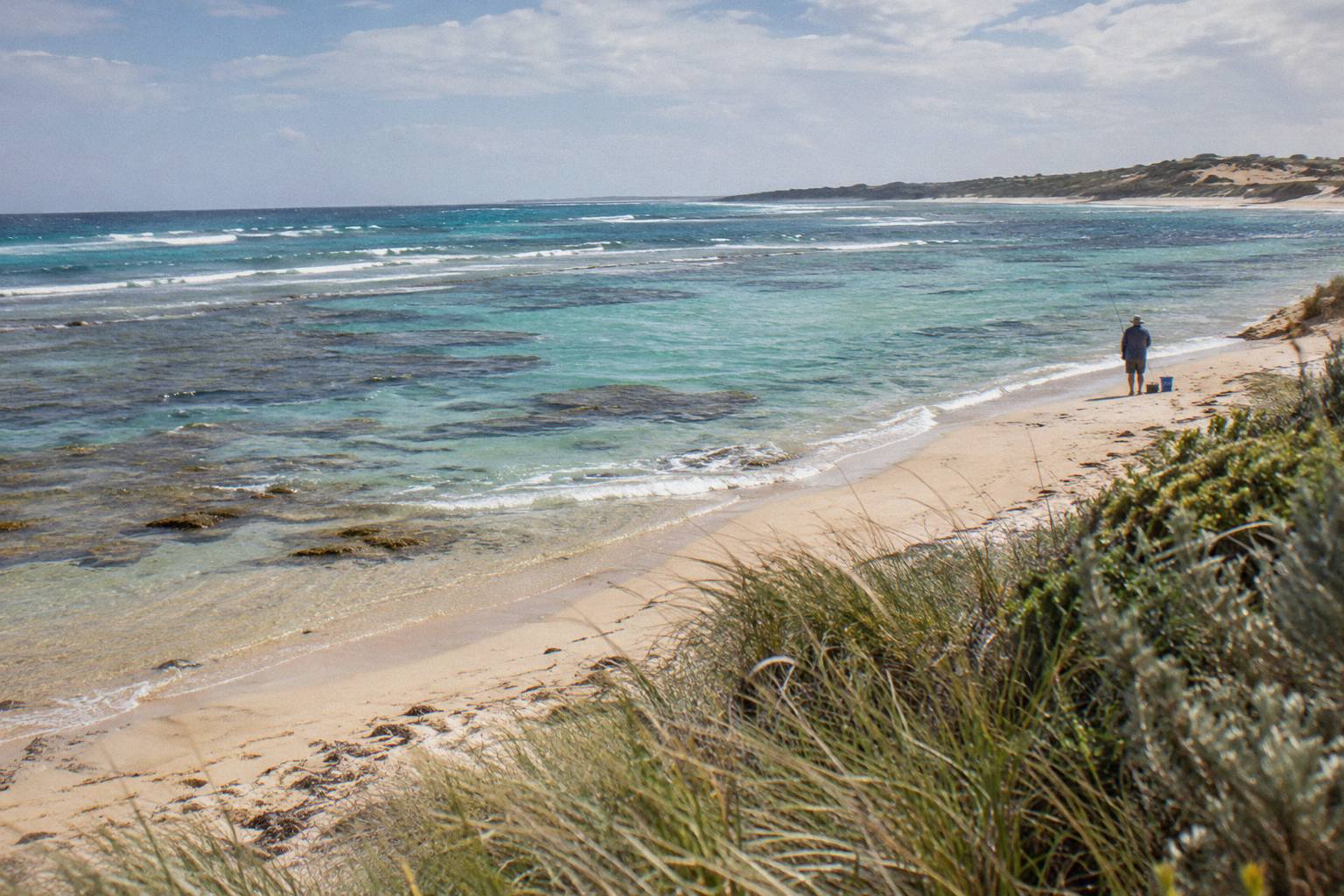
- Some zones restrict fishing and collecting entirely, which is one reason the marine life around Coral Bay is so approachable.
If you are still weighing whether the region justifies the trip, the guide to whether a Ningaloo reef tour is worth it works through the value question with the same tour figures.
Sanctuary Zones Explained: What The Maud Zone Means For Your Day
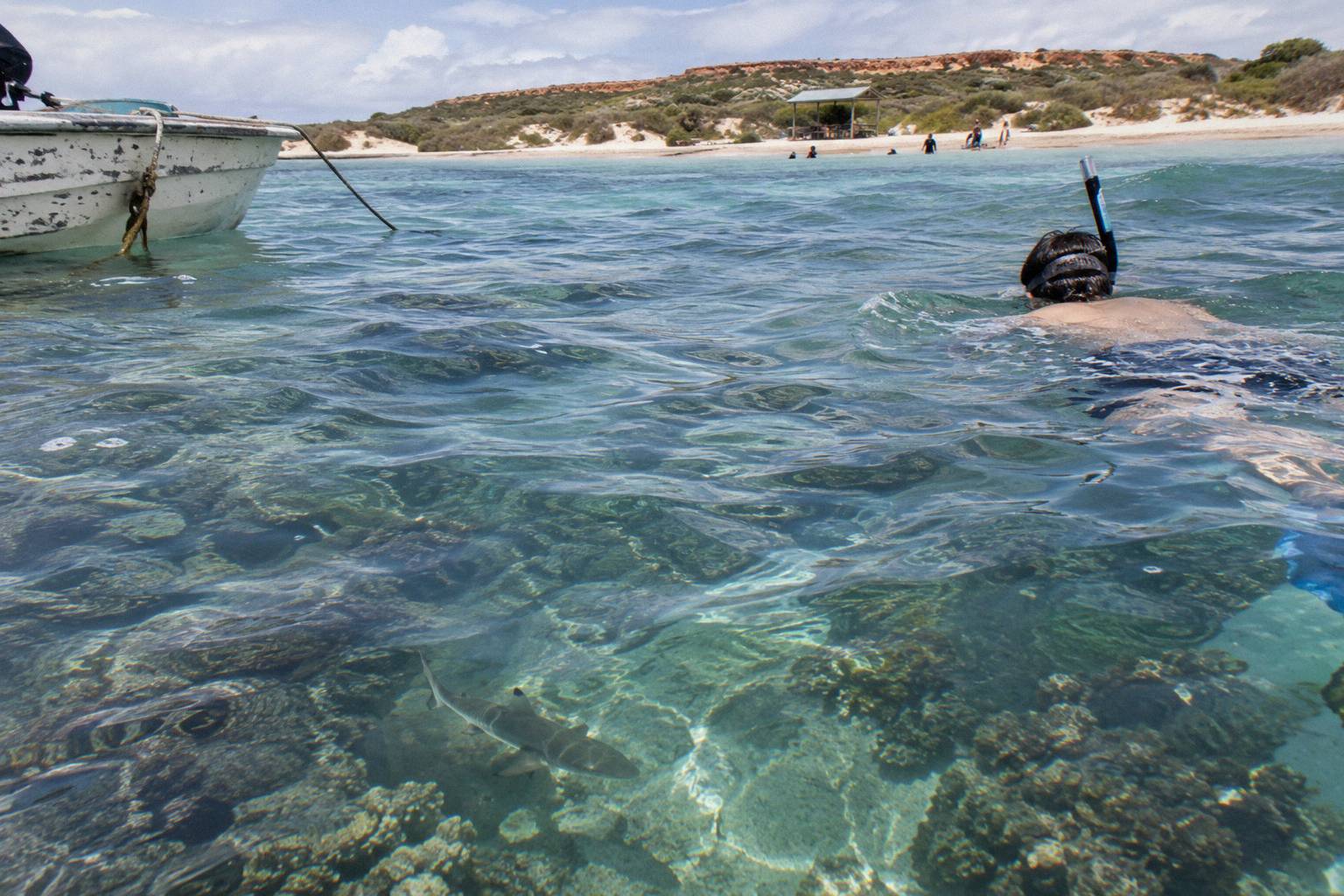
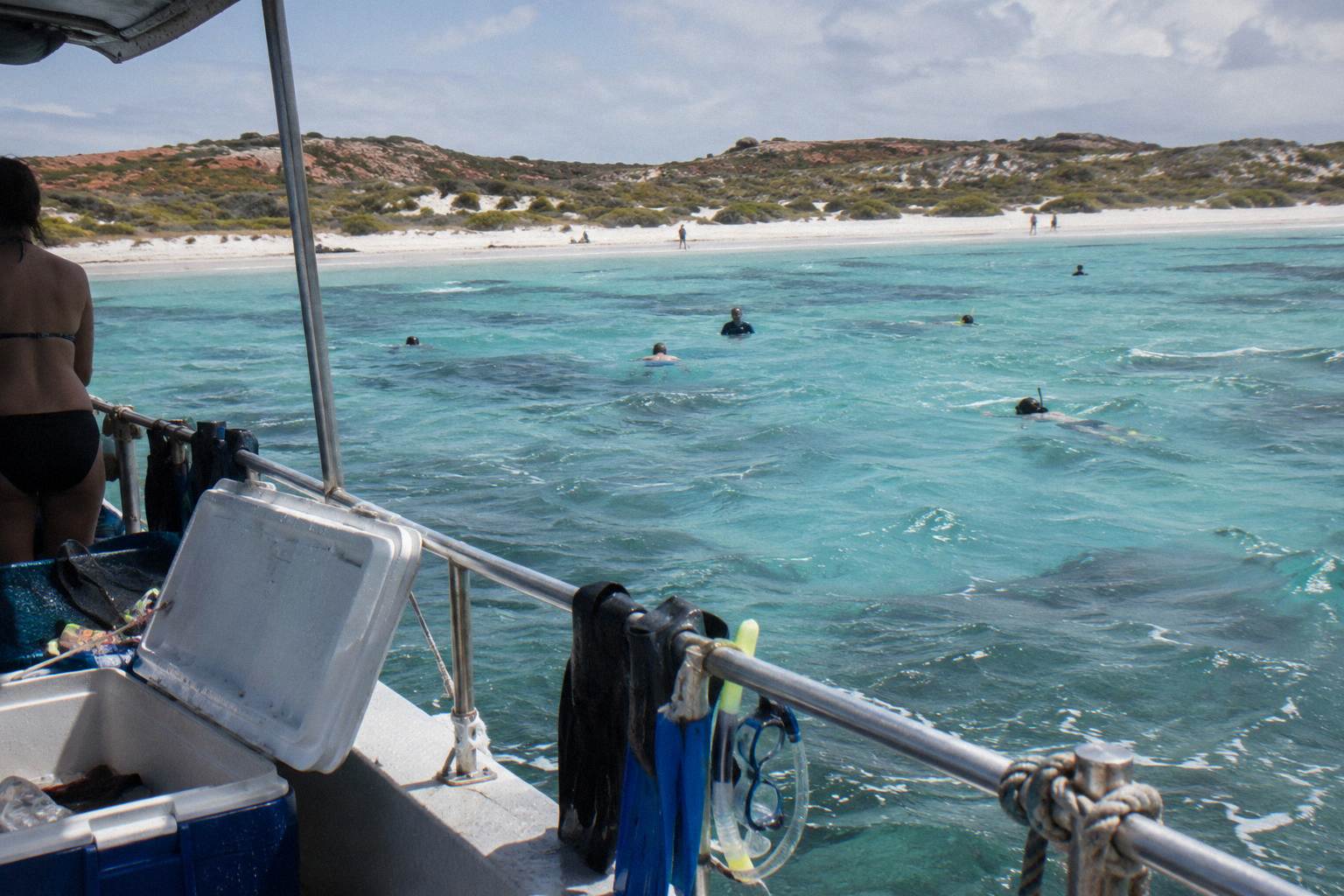
DBCA's park pages describe Coral Bay as a small coastal resort town and the gateway to the southern part of Ningaloo Marine Park. The sheltered waters of Bill's Bay and Paradise Beach let you swim and snorkel straight from shore, and the Maud Sanctuary Zone lies just adjacent to the town. In general terms, sanctuary zones in the park prohibit fishing and collecting of every kind; swimming, snorkelling and diving are welcome throughout them. The practical effect for a visitor is simple: the fish and larger animals near Coral Bay are not fished, so they behave differently, and the reef you float over from the beach is part of a protected system rather than a shared fishing ground.
The zoning also explains the shore-based fishing exception DBCA notes: shore-based finfish fishing is permitted in the special purpose zone south of Bill's Bay along Paradise Beach, but not in the sanctuary zone itself. Tour boats operate within these zones every day, and your skipper works around them, which is why some sites are snorkel-only stops on every itinerary.
For planning purposes, a few zone facts do real work:
- Bill's Bay and Paradise Beach offer sheltered shore snorkelling inside park waters.
- Four kayak moorings sit 300 metres to 1.8 kilometres from the beach; the info hut in Coral Bay has details.
- Up to 200 reef sharks gather in the shallows a 20-minute walk north along the beach at Bill's Bay between October and March, a natural spectacle that costs nothing to watch from the sand.
- Pristine beaches including Oyster Bridge, The Lagoon, Five Finger Reef and Maud's Landing are accessible by four-wheel drive for independent exploring.
The comparison between shore snorkelling and boat tours is worth a separate look if you are deciding between them; the article on Coral Bay snorkelling tours versus the beach covers when a boat earns its price.
Which Tours Run Inside The Park From Coral Bay?
DBCA lists a wide range of commercial tours departing Coral Bay inside the park: whale shark, manta ray and humpback swims, glass-bottom boat trips, snorkel and dive tours, catamaran cruises and scenic flights. Every trip on this site's roster operates within the park's rules, with licensed operators handling the species interactions that require licences.
The roster splits into three rough families: full-day wildlife swim tours, short reef and wildlife trips, and seasonal whale swims. The full-day manta trips anchor the year-round schedule: the Marine Eco Safari, Manta Ray Swim runs 6 to 7 hours from US$237 per person, rated 4.8 from 248 reviews. Ningaloo Mantas And More, Full Day, also from US$237, runs 7 hours with a 5.0 rating from 283 reviews. Shorter options include the Three-Hour Turtle Ecotour from US$108 (4.8 from 169 reviews), the Two-Hour Coral Viewing And Snorkelling from US$81 (4.8 from 105 reviews) and the Glass-Bottom Boat, One Hour from US$54, which needs no swimming at all.
One trip sits deliberately outside the big-boat pattern. The Explore Ningaloo Small-Group Manta And Wildlife Tour runs three hours from the Coral Bay boat ramp on Monck Head Drive aboard a 10-metre Naiad with a maximum of 10 passengers and a minimum age of 2, searching for mantas and other marine life with a guided snorkel interaction when conditions allow. Its price and reviews are on the booking page. Small groups change the experience: the crew can brief each swimmer individually, and the skipper can shift plans quickly, which matters when wildlife sightings, as every listing stresses, cannot be guaranteed. Sightings and in-water interactions are not guaranteed on this tour either, and it runs subject to a minimum of four passengers.
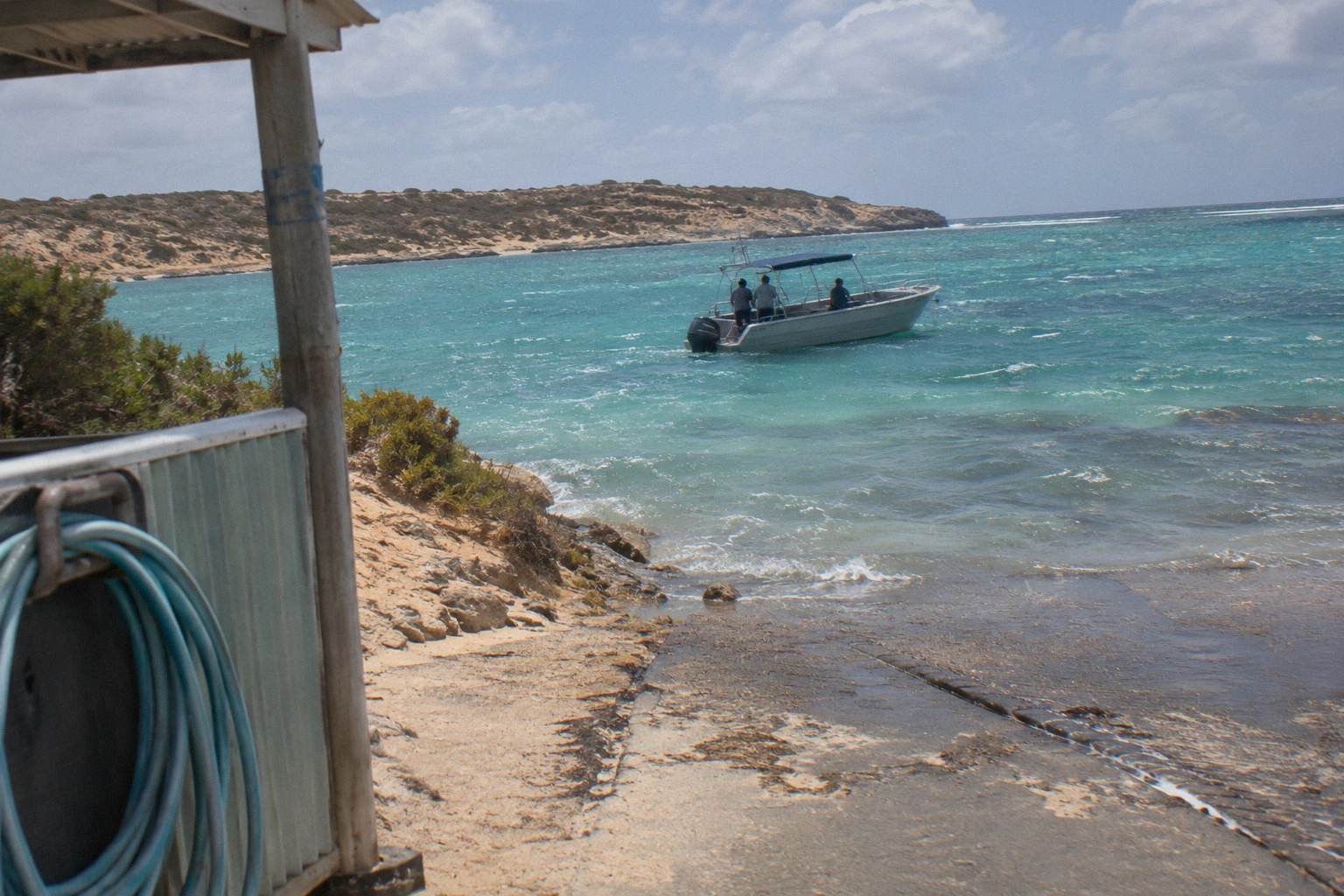
The seasonal trips fill the other half of the calendar. Whale shark tours run roughly March to July, with sources differing: Coral Bay Ecotours says March to June, Ningaloo Marine Interactions says April to June, and DBCA's whale shark page says most reliably seen March to July. Humpback swim trips run from around the end of June into October depending on the operator. Manta trips, by contrast, run year-round, because Coral Bay's mantas are resident. If you are travelling in the crossover weeks of late March and April, the post on late March or April manta and whale shark tours addresses exactly that window.
Wildlife Interaction Rules: Whale Sharks, Humpbacks And Mantas
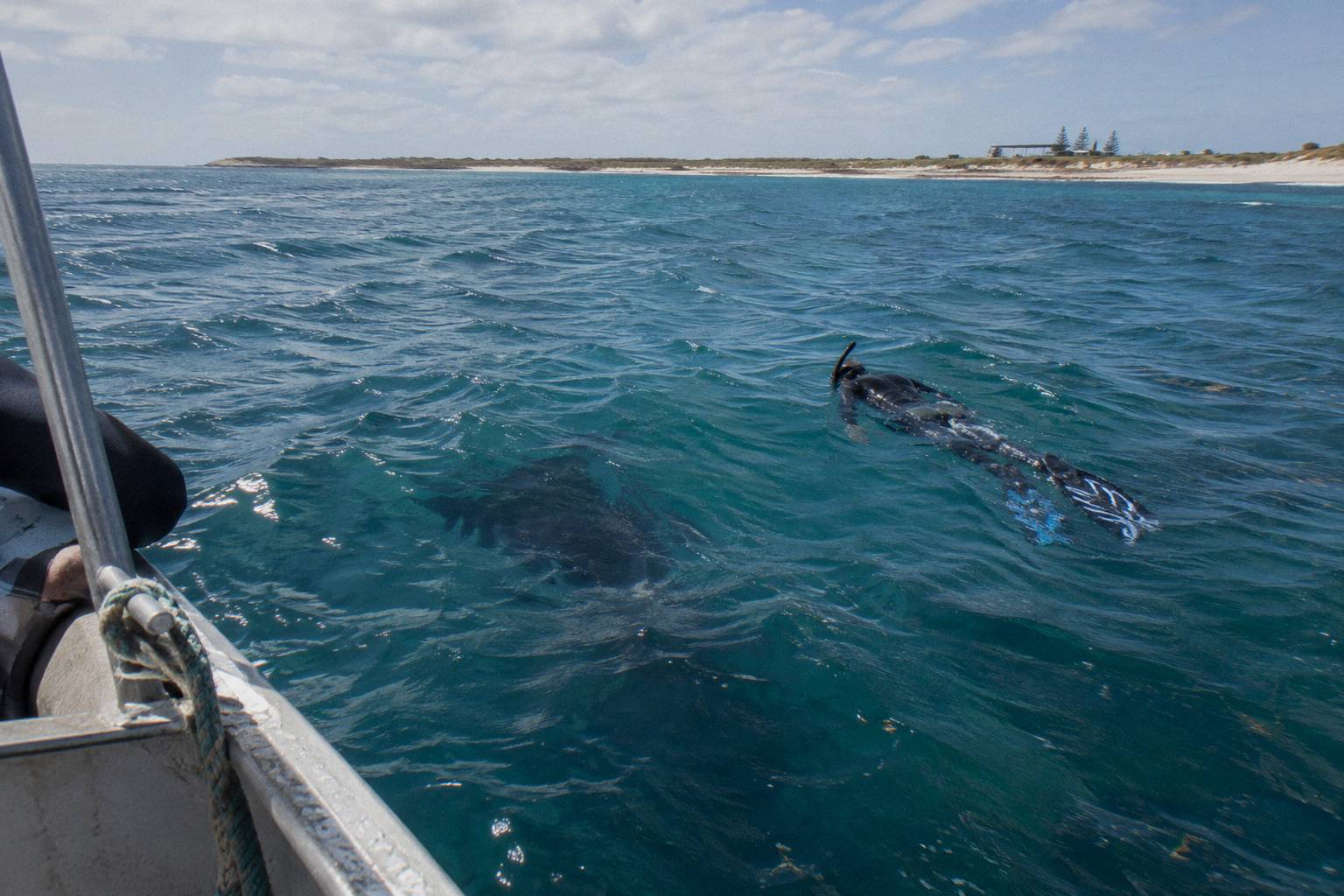
Whale sharks have the strictest published rules: no touching or riding, swimmers no closer than three metres to the head or body and four metres to the tail, no flash or extension-pole cameras, and vessels no closer than 30 metres. Humpback swims are licensed-operator-only, with 100 metres the distance for anyone not on a licensed interaction. No dedicated manta ray rule exists in the department's published material, so operator briefings govern manta swims.
The whale shark rules come straight from DBCA's whale shark management page, which also states that only operators licensed by the department may conduct commercial whale shark tours. The full set of swimmer rules applies to whale sharks specifically, never to mantas, a distinction that trips up a lot of first-time visitors who assume a single distance rule covers everything. In practice your guide places you in the water and manages the encounter; the numbers are the legal backstop, not the way the swim is run. The rest of the planning pages sit on Coral Bay Manta Ray Tours.
| Species | Who may run in-water tours | Key interaction rule | Source |
|---|---|---|---|
| Whale shark | Licensed operators only | No touching or riding; 3 m from head or body, 4 m from tail; no flash or extension-pole cameras; vessels 30 m minimum | DBCA whale shark management page |
| Humpback whale | Licensed operators only | People not on a licensed in-water interaction must not enter the water within 100 m of a whale; not permitted in Commonwealth waters of the park | DBCA swimming with humpback whales page |
| Manta ray | No dedicated rule found | No dedicated DBCA distance or licence rule; follow the operator's briefing; touching wildlife is not allowed as an operator rule | No published department rule |
The humpback rules deserve their own paragraph. DBCA states that under State legislation it is illegal for individuals to swim within 100 metres of a whale, and that in-water humpback swims happen only with licensed operators, not as private swims. In-water interactions are not permitted in the Commonwealth waters of Ningaloo Marine Park, which shapes where the boats can put swimmers in the water at all. On the operator side, Coral Bay Ecotours describes its humpback format as groups of 7 swimmers with 2 crew, no cameras in the water, and refunds from the interaction price to a wildlife swimmer price when no in-water interaction occurs; those are operator terms, not park law, but they show how tightly the rules are woven into the product. The Swim With Humpback Whales trip runs 8 hours from US$505 per person, rated 5.0 from 87 reviews, in a group capped at 14.
For mantas, the honest answer is that the department has no published manta-specific interaction distance or licence rule. Operators brief swimmers before every manta swim, and touching wildlife is not allowed under operator rules. Operators themselves describe resident mantas encountered year-round: Coral Bay Ecotours says sightings cannot be guaranteed but are expected most days of the year, and Ningaloo Marine Interactions says its mantas, with a wingspan of around 4 metres, frequent the waters all year round. Neither says guaranteed, and neither should any article you read. The science side is worth knowing too: the Ningaloo Manta Project maintains a citizen-science database with photographic records dating to 2004, identifying individual mantas by belly markings, with reef mantas listed Vulnerable and oceanic mantas Endangered on the IUCN Red List.
If the risk side of swimming near large animals worries you, the post on whether swimming with manta rays is risky separates the real considerations from the imagined ones.
Do You Need A Licence, A Park Fee Or A Pass To Join A Tour?
No. There is no park entry fee for Ningaloo Marine Park on the DBCA park pages, and no visitor pass or personal licence is needed to join a commercial tour; the licensing burden sits entirely on the operators. One whale shark booking page lists an additional park fee as an extra cost, with the amount on the booking page, and free cancellation up to 24 hours applies across the roster's listings.
This is one of the friendliest fee structures you will meet in a World Heritage area. Unlike parks with daily entry passes or per-swimmer charges, Ningaloo Marine Park charges no entry fee, and DBCA's Coral Bay page notes dogs are not allowed. You bring your tour booking, swimwear and a towel; the operator holds the licences, whether for whale shark interactions, humpback in-water swims or vessel operation. Two fee details are worth flagging honestly: the Whale Shark Safari booking page lists an additional park fee as an extra cost, and the Whale Shark Odyssey roster entry includes government fees in its price. Amounts belong on the booking pages, not in an article.
| Cost or requirement | Applies to you? | Detail |
|---|---|---|
| Park entry fee | No | None listed on the DBCA park pages |
| Personal wildlife licence | No | Licensing applies to commercial operators, not guests |
| Additional park fee | On one whale shark listing | Listed as an extra cost; check the booking page |
| Operator cancellation terms | Yes, once booked | Free cancellation up to 24 hours on the booking pages; operator terms (for example Coral Bay Ecotours' 25% and 100% schedule) are separate |
The cancellation distinction matters more than it looks. Every one of the twelve trips in the roster carries free cancellation up to 24 hours on the booking page. Separately, the operators' own terms can be stricter once a booking is confirmed: Coral Bay Ecotours' terms set cancellation charges of 25% once confirmed and 100% within 7 days, and its whale shark tour specifically carries no non-sighting repeat vouchers or refunds. Those two layers are never merged, and a planner comparing trips should read both before relying on either.
Shore Snorkelling, Boat Ramps And Where The Zones Touch Town
Coral Bay's sheltered shore snorkelling in Bill's Bay and Paradise Beach sits inside park waters beside the Maud Sanctuary Zone, the boat ramp used by small tour vessels sits roughly 2.5 kilometres south of town, and some of the park's most watched wildlife, including the seasonal reef shark gathering, is visible from the beach without any tour at all.
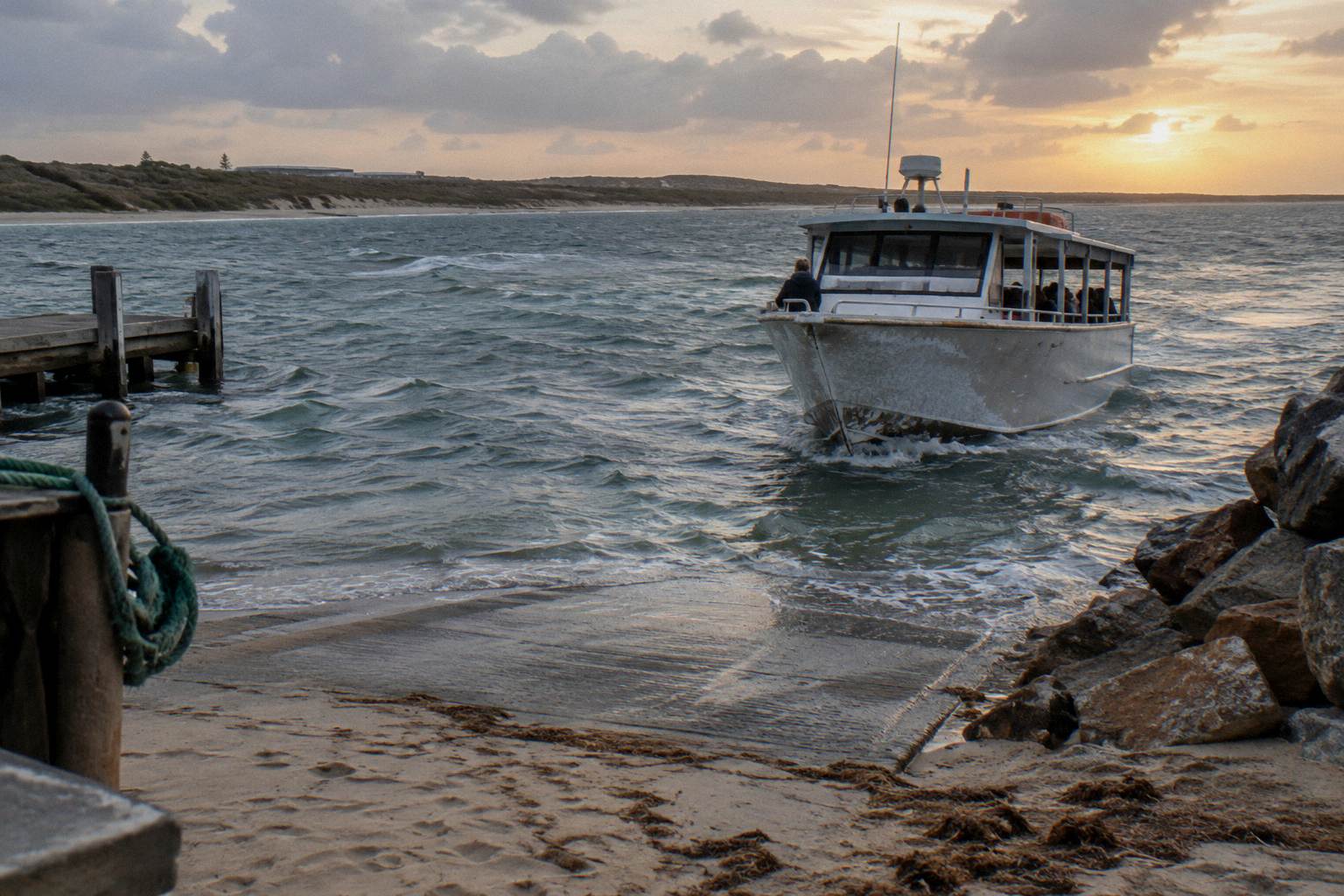
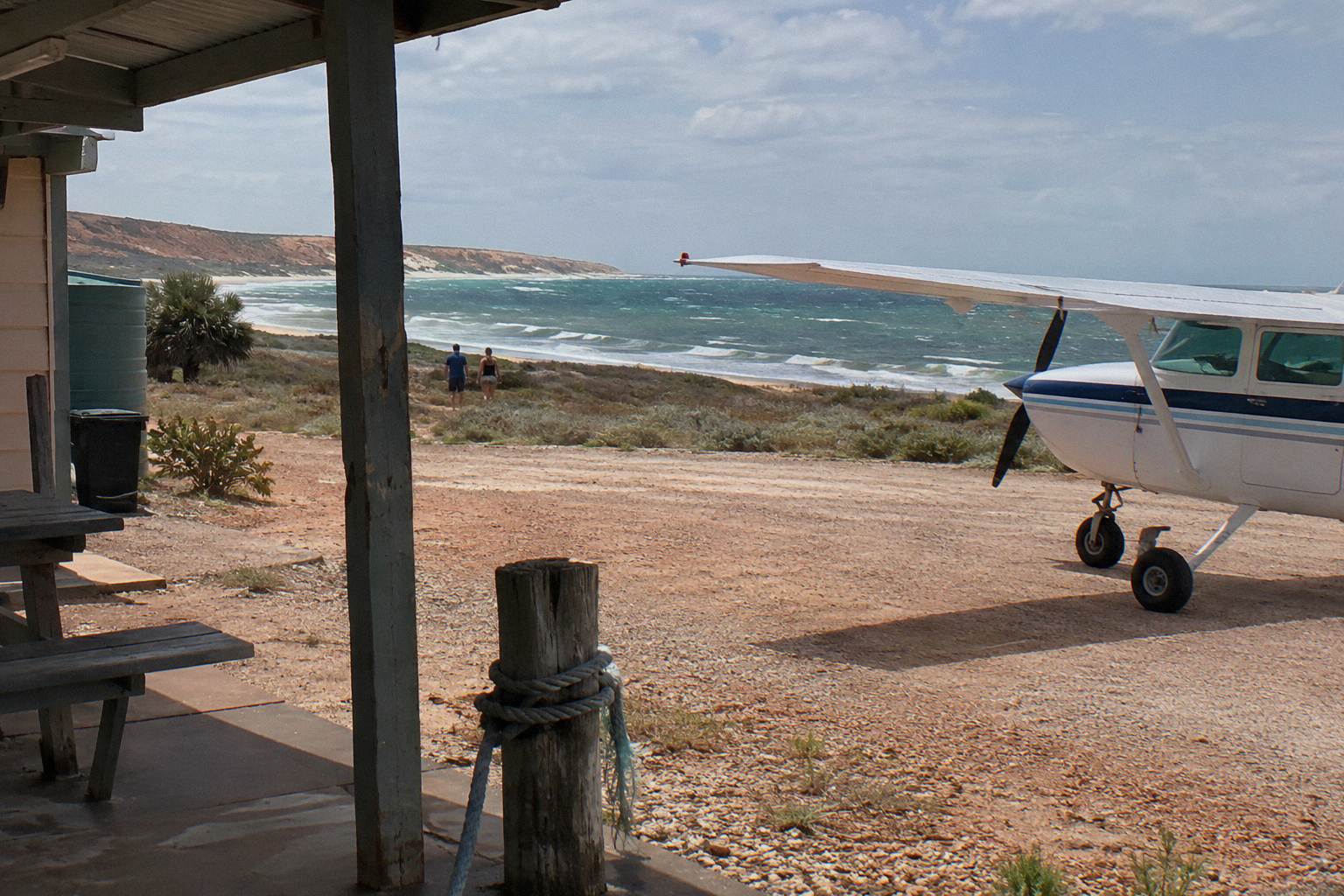
The geography explains the tour logistics. DBCA places the Coral Bay boat ramp approximately 2.5 kilometres south of the town, which is why small operators such as Explore Ningaloo list the Monck Head Drive ramp as their meeting point while the larger operators run from offices along Robinson Street in the town centre. Coral Bay also has its own small airport used as a scenic-flight base, though no schedule or airline is stated, and the town sits roughly 1,130 kilometres, about 12 hours' drive, from Perth, about 150 kilometres from Exmouth, about 120 kilometres from Learmonth airport and about 240 kilometres from Carnarvon, all approximate.
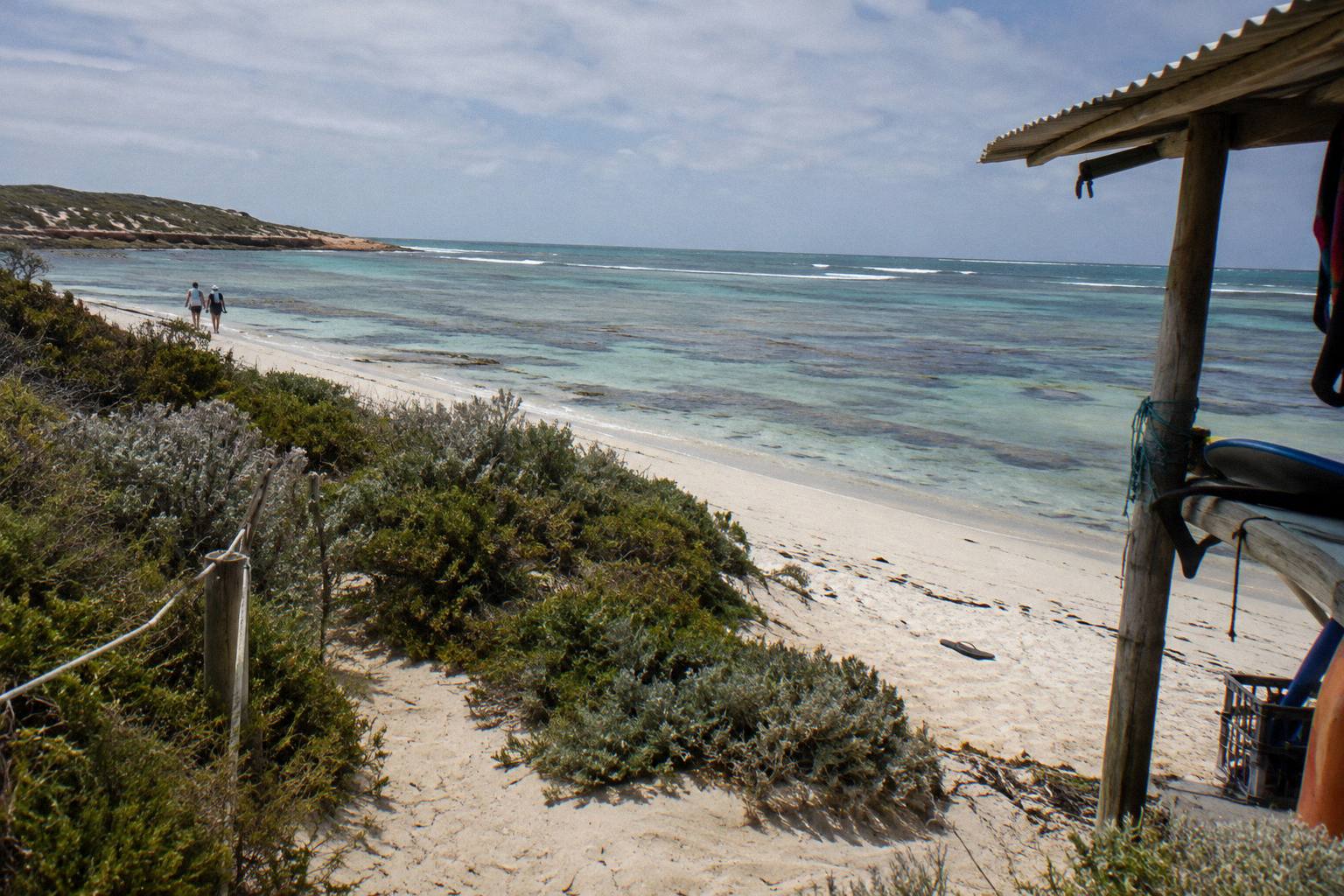
What you can do from shore, inside the rules:
- Swim and snorkel straight from the beaches of Bill's Bay and Paradise Beach.
- Walk about 20 minutes north along Bill's Bay to watch up to 200 reef sharks gather in the shallows between October and March.
- Paddle out to one of four kayak moorings, 300 metres to 1.8 kilometres from the beach, with details at the town's info hut.
- Fish for finfish from the shore only in the special purpose zone south of Bill's Bay; no fishing at all in the sanctuary zone.
Shore access is also the fallback when a boat day does not suit. The post on seeing manta rays in Coral Bay without a boat tour looks at what the beach alone realistically delivers, and it is an honest check on expectations. If your dates are fixed, the month-by-month guide to Coral Bay tours by month lines up seasons, zones and trip availability across the calendar.
How The Rules Shape Your Booking Decision
The park rules translate directly into booking choices: whale shark and humpback swims only with licensed operators in their seasons, manta swims year-round under operator briefings, and no tour guarantees any sighting. Group sizes, spotter aircraft and briefing formats on the listings exist largely because of the rules, so reading them tells you how each operator works inside the framework.
Consider what the roster shows. Two full-day manta trips carry spotter aircraft in their inclusions, which is how operators find animals across a large park quickly; the Ningaloo Reef Dive Full-Day Manta Tour likewise lists a spotter plane plus a PADI dive master or instructor, buffet lunch and two snorkels or dives 4 to 12 metres deep over 45 to 50 minutes, with its price on the booking page and a 4.8 rating from 119 reviews. Group caps cluster at 20 to 30 on the big boats and 10 on the small-group trip. Minimum ages are barely stated across the roster: the dive tour lists 5 and the small-group trip lists 2, everything else is not stated, so ask the operator. These are structural choices made inside the rules, not marketing flourishes.
| Tour | Duration | Group max | Wetsuit | Meal | Licence-linked element |
|---|---|---|---|---|---|
| Marine Eco Safari, Manta Ray Swim | 6 to 7 hours | 30 | Yes | Included | Snorkelling guides; manta interaction under operator briefing |
| Ningaloo Mantas And More, Full Day | 7 hours | 20 | Yes | Included | Spotter aircraft |
| Ningaloo Reef Dive Full-Day Manta Tour | 7 to 7.5 hours | Not stated | Yes | Included | Spotter plane; PADI dive master or instructor |
| Whale Shark Safari | 8 to 9 hours | 20 | Yes | Included | Licensed whale shark operator; DBCA swimmer rules apply |
| Swim With Humpback Whales | 8 hours | 14 | Yes | Included | Licensed in-water humpback interaction only |
The seasonal tours show the rules at their strictest. The Whale Shark Safari from Coral Bay Ecotours runs 8 to 9 hours, rated 4.8 from 173 reviews, price on the booking page, in a group capped at 20, with the operator's terms clear that no non-sighting repeat vouchers or refunds apply. The Whale Shark Odyssey from Ningaloo Marine Interactions, from US$501 per person with a 5.0 rating from 23 reviews, includes government fees, a marine biologist guide and a spotter plane, with its booking page season running mid-March to mid-July. Neither promises a sighting, and the department's swimmer distances apply on both.
Between the big swims sit the reef trips that carry fewer rules and lower prices, and they should not be dismissed as filler. The Three-Hour Turtle Ecotour at from US$108 per person, 4.8 from 169 reviews, runs on a glass-bottom boat with beverages, tea and coffee, boarding from the beach through shallow water. The Glass-Bottom Boat, One Hour at from US$54 suits non-swimmers and tight schedules alike, and the Two-Hour Coral Viewing And Snorkelling at from US$81 adds in-water time. All three are subject to minimum numbers, and all follow the same park-wide principle: look, snorkel, photograph, but do not touch or collect.
Planning around the rules rewards early decisions in a few concrete ways. Book seasonal swims early because licence-capped boats in a short season fill first. Read the cancellation terms alongside the price, since the 24-hour free cancellation on the listings and the operators' own schedules are two different things. Check whether the listing includes wetsuits and meals, because park waters in the cooler months are more comfortable in a suit, and the full-day trips include both while the short reef trips generally include neither. And when a listing says sightings cannot be guaranteed, believe it: it is the most consistently honest sentence in Ningaloo tourism, repeated by DBCA's own framing and every operator on this roster.
Common Mistakes With Park Rules And Zones
The biggest mistake is assuming one distance rule covers every animal. The three and four metre whale shark distances apply to whale sharks only, and no dedicated manta rule exists at all. The second mistake is expecting a park entry fee or pass; there is none, and the licensing burden sits entirely on operators. Third, treating "no guarantee" as marketing hedging rather than the honest position every operator states."
Plenty of first-time visitors arrive with a mental model borrowed from other marine parks, and it misfires here in predictable ways.
You might assume fishing off the beach is fine because the town sits on the water. It is not, at least not everywhere. Coral Bay is adjacent to the Maud Sanctuary Zone, where all forms of fishing and collecting are prohibited. Shore-based finfish fishing is permitted only in the special purpose zone south of Bill's Bay along Paradise Beach. Casting a line in the wrong stretch of sand is the fastest way to sour a day that was otherwise inside the rules.
Another frequent slip is mixing up the two cancellation layers. Every listing on the roster carries free cancellation up to 24 hours, but operator terms are separate and stricter: Coral Bay Ecotours charges 25% once a booking is confirmed and 100% within 7 days, and its whale shark tour offers no non-sighting repeat vouchers or refunds. Reading one layer and assuming it covers the other catches people out.
A few more to watch:
- Applying whale shark distances to mantas. There is no published manta rule, so your briefing on the boat is the operative guide.
- Expecting a private swim. Whale shark and humpback in-water interactions are licensed-operator-only, and private swims within 100 metres of a whale are illegal.
- Assuming cameras are fine in every swim. Whale shark rules ban flash and extension-pole cameras, and one humpback operator bans cameras in the water entirely.
- Overlooking the seasons. Manta trips run year-round on resident animals; whale shark and humpback swims are seasonal, so fixed dates outside those windows close those options.
- Bringing a dog. Dogs are not allowed in the park.
Finally, do not read group caps, spotter planes and briefing formats as extras. They exist because of the rules, and a listing that explains them is showing you how that operator works inside the framework rather than selling you a flourish.
Common Questions About Ningaloo Marine Park Tours
Is There An Entry Fee For Ningaloo Marine Park?
No. The DBCA park pages list no park entry fee. One whale shark booking page lists an additional park fee as an extra cost, with the amount on the booking page, but there is no general visitor pass or gate charge.
Can You Swim With Manta Rays In The Sanctuary Zones?
Yes, swimming and snorkelling are welcome in sanctuary zones, and manta tours from Coral Bay operate year-round because the mantas are resident. No dedicated manta-specific interaction rule has been found in the department's published material, so swimmers follow the operator's briefing, and touching wildlife is not allowed under operator rules.
Is Fishing Allowed At Coral Bay Inside The Park?
Only in defined areas. Sanctuary zones prohibit all fishing and collecting; Coral Bay is adjacent to the Maud Sanctuary Zone. DBCA permits shore-based finfish fishing in the special purpose zone south of Bill's Bay along Paradise Beach.
Do I Need A Licence To Swim With Whale Sharks Or Humpbacks?
You do not need a personal licence, but only operators licensed by the department may run commercial whale shark tours, and in-water humpback swims are limited to licensed operators. Private swims within 100 metres of a whale are illegal, and in-water humpback interactions are not permitted in the park's Commonwealth waters.
Are Wildlife Sightings Guaranteed On Ningaloo Tours?
No. Every operator on the roster states that sightings cannot be guaranteed, and Coral Bay Ecotours' terms state it does not guarantee wildlife sightings or interactions on any tour, with no non-sighting repeat vouchers or refunds on its whale shark tour. Mantas are resident and expected most days, but never guaranteed.
What Rules Apply When Swimming With A Whale Shark?
DBCA's rules: no touching or riding the animal, no closer than three metres from the head or body and four metres from the tail, no flash photography or extension-pole cameras, and vessels no closer than 30 metres. Your licensed guide manages the encounter within these limits.